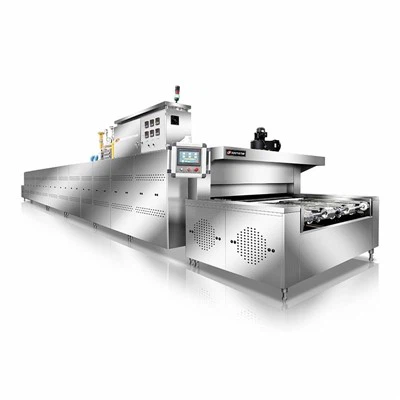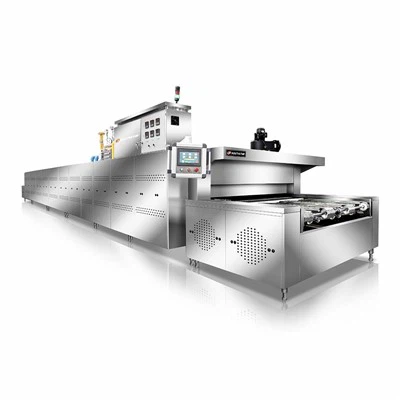


In the bustling world of commercial baking, the efficiency and reliability of equipment are paramount. One such piece of machinery that has gained significant attention is the Baguette Dough Moulder. As a leading supplier of these innovative devices, I often encounter inquiries from bakers and business owners about the machine's ability to work continuously for long periods. This blog post aims to delve into this topic, exploring the technical aspects, benefits, and considerations of continuous operation of a Baguette Dough Moulder.
Technical Capabilities of a Baguette Dough Moulder
To understand whether a Baguette Dough Moulder can work continuously for long periods, we first need to examine its technical design. Modern Baguette Dough Moulders are engineered with precision and durability in mind. They are typically constructed using high - quality materials such as stainless steel, which not only ensures resistance to corrosion but also provides the strength needed to withstand the rigors of continuous operation.
The internal components of a Baguette Dough Moulder, including the conveyor belts, rollers, and cutting mechanisms, are designed for smooth and efficient operation. These components are often powered by robust motors that can maintain a consistent speed and torque. For instance, some advanced models feature variable speed controls, allowing bakers to adjust the molding process according to the specific requirements of the dough. This flexibility not only enhances the quality of the baguettes but also contributes to the machine's ability to operate continuously without overloading.
Benefits of Continuous Operation
There are several compelling reasons why continuous operation of a Baguette Dough Moulder is advantageous for commercial bakeries.
Increased Productivity
One of the most significant benefits is the substantial increase in productivity. In a busy bakery, time is of the essence. A Baguette Dough Moulder that can work continuously can produce a large number of baguettes in a relatively short period. This means that bakeries can meet high - volume orders more efficiently, leading to increased sales and customer satisfaction. For example, a medium - sized bakery that uses a continuous - operating Baguette Dough Moulder can produce hundreds of baguettes per hour, compared to the much slower manual molding process.
Consistency in Quality
Continuous operation also ensures a high level of consistency in the quality of the baguettes. Since the machine follows a pre - set molding process, each baguette is formed with the same shape, size, and density. This consistency is crucial for maintaining brand identity and meeting customer expectations. Whether it's a small local bakery or a large - scale commercial operation, customers expect to receive the same high - quality baguettes every time they make a purchase.
Cost - Efficiency
From a cost - efficiency perspective, continuous operation can lead to significant savings. By reducing the need for manual labor, bakeries can cut down on labor costs. Additionally, since the machine is designed to work continuously, it can operate at an optimal level, minimizing energy consumption per unit of production. This combination of reduced labor and energy costs can have a positive impact on the bakery's bottom line.
Considerations for Continuous Operation
While the benefits of continuous operation are clear, there are also some important considerations that bakers need to keep in mind.
Maintenance and Cleaning
Regular maintenance and cleaning are essential for ensuring the long - term performance of a Baguette Dough Moulder. During continuous operation, the machine is exposed to a large amount of dough, which can accumulate on the components over time. This can lead to clogging, reduced efficiency, and even damage to the machine. Therefore, it is recommended that bakers follow a strict maintenance schedule, including daily cleaning of the conveyor belts, rollers, and other contact surfaces. Additionally, periodic inspections and servicing by a qualified technician can help identify and address any potential issues before they become major problems.
Dough Characteristics
The characteristics of the dough also play a crucial role in the machine's ability to operate continuously. Different types of dough have different properties, such as humidity, viscosity, and elasticity. Some doughs may be more difficult to mold than others, and if the dough is not properly prepared, it can cause problems during the molding process. For example, overly sticky dough can stick to the conveyor belts and rollers, leading to uneven molding and potential jams. Bakers need to ensure that the dough is prepared according to the manufacturer's recommendations to achieve optimal results during continuous operation.
Operator Training
Proper operator training is another important factor. A well - trained operator can monitor the machine's performance, make necessary adjustments, and troubleshoot any issues that may arise during continuous operation. Operators should be familiar with the machine's controls, safety features, and maintenance procedures. They should also be able to recognize the signs of potential problems, such as unusual noises or vibrations, and take appropriate action to prevent breakdowns.
Comparison with Other Dough Moulders
When considering the continuous operation of a Baguette Dough Moulder, it's also useful to compare it with other types of dough moulders, such as the Commercial Use Toast Moulder and the Bread Toast Moulder.
The Commercial Use Toast Moulder is designed specifically for molding toast bread. While it shares some similarities with the Baguette Dough Moulder in terms of basic functionality, the molding requirements for toast bread are different. Toast bread typically requires a more uniform shape and density, which may require different settings and components. However, like the Baguette Dough Moulder, a well - designed Commercial Use Toast Moulder can also operate continuously for long periods, provided that the same considerations for maintenance, dough characteristics, and operator training are met.
The Bread Toast Moulder is another option for bakeries. It is often used for molding a variety of bread types, including toast bread. Similar to the other dough moulders, its ability to work continuously depends on factors such as the quality of the machine, the type of dough being used, and the level of maintenance and operator training.
Conclusion
In conclusion, a Baguette Dough Moulder can indeed work continuously for long periods, provided that it is properly maintained, the dough is correctly prepared, and the operators are well - trained. The benefits of continuous operation, including increased productivity, consistency in quality, and cost - efficiency, make it an attractive option for commercial bakeries.
If you are interested in learning more about our Baguette Dough Moulders or would like to discuss your specific requirements, we encourage you to get in touch with us. Our team of experts is ready to assist you in finding the perfect solution for your bakery. Whether you are a small - scale artisanal bakery or a large - scale commercial operation, we have the experience and expertise to help you achieve your production goals.


References
- "Commercial Baking Equipment Handbook" - Provides in - depth information on the design and operation of various baking equipment, including dough moulders.
- "Bread Science and Technology" - Offers insights into the properties of different types of dough and how they affect the molding process.