

Hey there! As a bread slicer supplier, I often get asked about how to properly maintain these machines. One crucial aspect of maintenance is lubrication. A well-lubricated bread slicer not only operates smoothly but also has a longer lifespan. In this blog post, I'll walk you through the steps on how to lubricate a bread slicer and explain why it's so important.
Why Lubricate Your Bread Slicer?
Before we dive into the process, let's talk about why lubricating your bread slicer is a must. A bread slicer has moving parts like blades, motors, and gears. Over time, friction between these parts can cause wear and tear, leading to decreased performance and even breakdowns. Lubrication reduces this friction, allowing the parts to move freely and smoothly. It also helps prevent rust and corrosion, especially in the blades, which are constantly exposed to moisture from the bread. By lubricating your bread slicer regularly, you can ensure that it runs efficiently, produces consistent slices, and lasts for years to come.
Types of Lubricants
There are different types of lubricants available, but when it comes to bread slicers, you need to use food-grade lubricants. These are specifically designed to be safe for use in food processing equipment. Food-grade lubricants are non-toxic, odorless, and tasteless, so they won't contaminate the bread. You can find food-grade lubricants in various forms, such as oil, grease, and spray.
- Oil: Food-grade oils are thin and easy to apply. They're great for parts that need regular lubrication, like the blade shafts. They penetrate quickly and provide a smooth, long-lasting lubrication.
- Grease: Grease is thicker than oil and stays in place better. It's ideal for parts that don't move as frequently, such as the gears and bearings. Grease provides long-term lubrication and protects against dust and debris.
- Spray: Lubricant sprays are convenient and easy to use. They can reach hard-to-reach areas and provide a uniform coating. However, they may not last as long as oil or grease.
Tools You'll Need
Before you start lubricating your bread slicer, gather the following tools:
- Food-grade lubricant: Choose the type that's suitable for your bread slicer's parts.
- Clean cloth: To wipe off any excess lubricant and clean the parts before lubrication.
- Brush or applicator: Depending on the type of lubricant, you may need a brush or an applicator to apply it evenly.
- Safety gloves: To protect your hands from the lubricant and any sharp parts of the bread slicer.
Step-by-Step Guide to Lubricating a Bread Slicer
Now, let's get into the actual process of lubricating your bread slicer.
Step 1: Turn Off and Unplug the Machine
Safety first! Before you start any maintenance work on your bread slicer, make sure it's turned off and unplugged from the power source. This will prevent any accidental starts and keep you safe from electrical shock.
Step 2: Clean the Machine
Use a clean cloth to wipe down the bread slicer, removing any breadcrumbs, flour, or debris. Pay special attention to the areas around the blades, gears, and bearings. A clean machine will ensure that the lubricant works effectively and doesn't get contaminated.

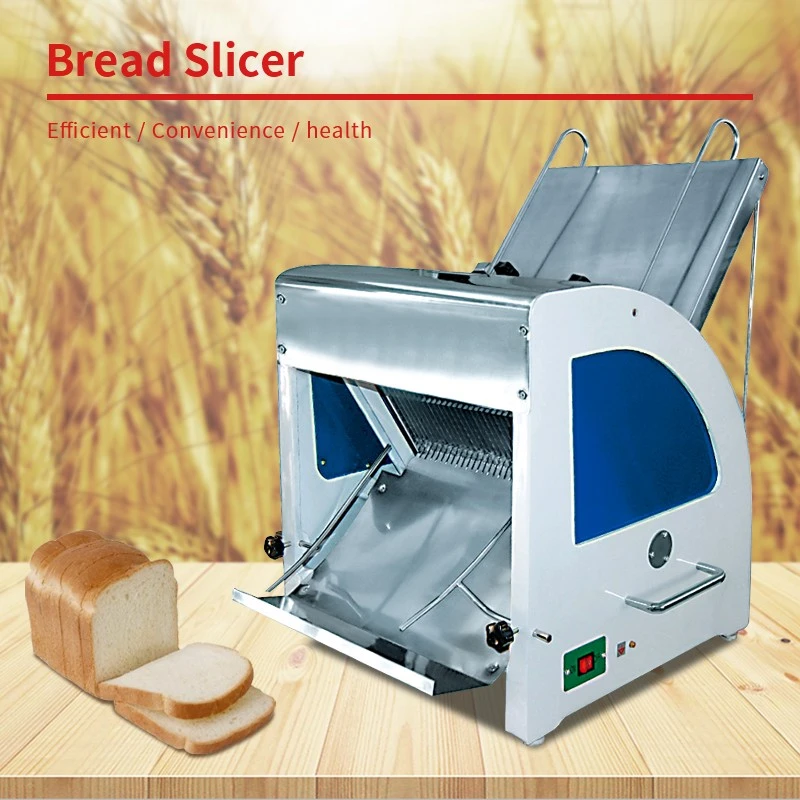
Step 3: Identify the Parts to Lubricate
Different bread slicers have different parts that need lubrication. Generally, you'll need to lubricate the blade shafts, gears, bearings, and any other moving parts. Refer to your bread slicer's user manual for specific instructions on which parts to lubricate.
Step 4: Apply the Lubricant
Depending on the type of lubricant you're using, apply it to the identified parts.
- Oil: If you're using oil, pour a small amount onto a clean cloth or an applicator. Then, carefully apply the oil to the blade shafts, moving the blades back and forth to distribute the oil evenly. You can also use a dropper to apply oil to the gears and bearings.
- Grease: For grease, use a grease gun or a small spatula to apply a thin layer to the gears and bearings. Make sure to cover all the surfaces evenly.
- Spray: If you're using a spray lubricant, hold the can a few inches away from the parts and spray a light, even coating. Make sure to cover all the moving parts.
Step 5: Wipe Off Excess Lubricant
After applying the lubricant, use a clean cloth to wipe off any excess. Excess lubricant can attract dust and debris, which can cause problems in the long run.
Step 6: Test the Machine
Once you've lubricated all the necessary parts and wiped off the excess lubricant, plug in the bread slicer and turn it on. Let it run for a few minutes to make sure everything is working smoothly. Check for any unusual noises or vibrations. If you notice anything wrong, stop the machine immediately and check the lubrication again.
Recommended Lubrication Schedule
The frequency of lubrication depends on how often you use your bread slicer. If you use it daily in a commercial setting, you should lubricate it at least once a week. If it's used less frequently, once a month should be sufficient. However, always refer to your bread slicer's user manual for the manufacturer's recommended lubrication schedule.
Our Bread Slicer Products
At our company, we offer a wide range of high-quality bread slicers to meet your needs. Whether you're a small bakery or a large commercial kitchen, we have the perfect slicer for you.
- 31 Blades Bread Slicer: This powerful bread slicer is designed for high-volume slicing. With 31 sharp blades, it can slice through bread quickly and evenly.
- Automatic Bread Slicer: Our automatic bread slicer takes the hassle out of slicing. It's easy to operate and can slice a variety of bread types, from baguettes to sandwich loaves.
- Commercial Tabletop Bread Slicer: This compact and versatile bread slicer is perfect for small kitchens or cafes. It's easy to clean and maintain, and it can produce consistent slices every time.
Contact Us for Purchase and Consultation
If you're interested in purchasing a bread slicer or have any questions about lubrication or maintenance, don't hesitate to contact us. We have a team of experts who can help you choose the right bread slicer for your needs and provide you with all the information you need to keep it running smoothly.
References
- "Bread Slicer Maintenance Guide" - Various industry publications
- Manufacturer's user manuals for different bread slicer models