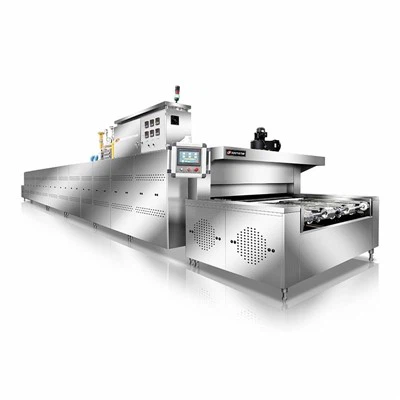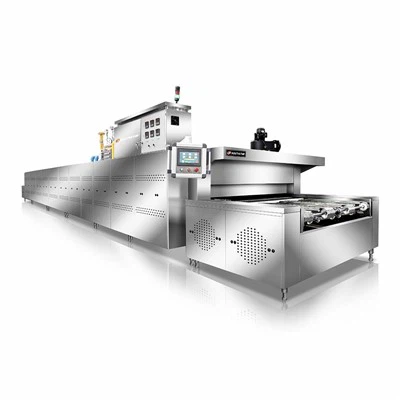


In the realm of modern cooking, the choice between a hot air convection oven and a regular oven is a decision that can significantly impact your culinary experiences. As a supplier of Hot Air Convection Oven, I am excited to delve into the details and explore whether a hot air convection oven truly outshines its traditional counterpart.
Understanding the Basics: How They Work
To begin, let's understand the fundamental difference in how these two types of ovens operate. A regular oven, also known as a conventional oven, uses heating elements at the top and bottom to generate heat. This heat then radiates into the oven cavity, cooking the food. The air inside the oven remains relatively still, and the heat transfer occurs mainly through conduction and radiation.
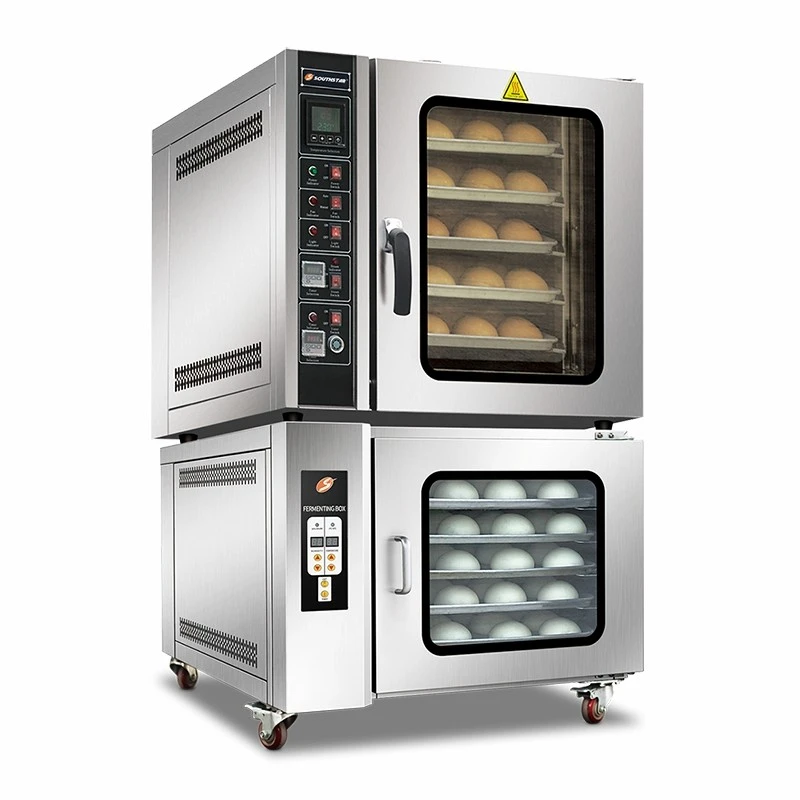
On the other hand, a hot air convection oven has a built - in fan and exhaust system. The fan circulates the hot air evenly throughout the oven cavity. This continuous movement of hot air ensures that the food is exposed to a more consistent temperature, resulting in a different cooking process compared to a regular oven.
Cooking Performance: Speed and Evenness
One of the most significant advantages of a hot air convection oven is its cooking speed. The circulating hot air in a convection oven transfers heat to the food more efficiently than the still air in a regular oven. As a result, food can cook up to 25% faster in a convection oven. For example, when baking a batch of cookies, a convection oven can reduce the baking time, allowing you to enjoy your treats sooner.
In terms of evenness, a convection oven truly excels. The consistent flow of hot air eliminates hot and cold spots that are common in regular ovens. This means that food is cooked evenly from all sides. When roasting a chicken, the entire bird will cook uniformly, with no undercooked or overcooked areas. In a regular oven, you may find that the parts of the chicken closer to the heating elements are overcooked while the center remains undercooked.
Versatility in Cooking
A hot air convection oven offers greater versatility in cooking. It can handle a wider range of cooking tasks with ease. You can use it for baking, roasting, broiling, and even dehydrating. The ability to dehydrate food is a unique feature that is not commonly found in regular ovens. You can make your own dried fruits, jerky, or even herb blends using a convection oven.
Regular ovens, while also capable of baking and roasting, may not perform as well in some of these tasks. For instance, when broiling, the lack of air circulation can lead to uneven browning. In a convection oven, the hot air ensures that the food is broiled evenly, giving you a perfect crust on top.

Energy Efficiency
Energy efficiency is an important consideration for many consumers. A hot air convection oven generally uses less energy than a regular oven. Since it cooks food faster, it spends less time operating, which translates to lower energy consumption. Additionally, the even cooking process means that you don't have to waste energy by over - cooking parts of the food to ensure that the whole dish is done.
Regular ovens, with their slower cooking times and uneven heat distribution, often require more energy to achieve the same results. The longer cooking times mean that the heating elements are working for a more extended period, consuming more electricity or gas.
Cost Considerations
When it comes to cost, hot air convection ovens are typically more expensive than regular ovens. The additional technology, such as the fan and exhaust system, adds to the manufacturing cost. However, it's important to consider the long - term benefits. The energy savings over time can offset the initial higher cost. Moreover, the improved cooking performance can lead to better - quality food, which may be worth the investment for serious home cooks or professional chefs.
If you're on a budget, there are also options for Used Gas Convection Oven and Used Electric Convection Oven, which can provide a more affordable entry into the world of convection cooking.
Learning Curve
Using a hot air convection oven does come with a bit of a learning curve. Since it cooks faster and more evenly, you may need to adjust your recipes. For example, you may need to reduce the cooking temperature by about 25°F (14°C) and the cooking time. However, once you get the hang of it, you'll find that the results are well worth the effort.
Regular ovens are more familiar to most people, and there is less of a need to make significant adjustments to recipes. But as mentioned earlier, the cooking results may not be as consistent as those from a convection oven.
Maintenance
Maintenance requirements for both types of ovens are relatively similar. However, a convection oven has an additional component - the fan. The fan may need to be cleaned periodically to ensure proper air circulation. Regular ovens also need to be cleaned to remove food debris and grease from the heating elements and the oven cavity.
Conclusion
In conclusion, a hot air convection oven offers several advantages over a regular oven. Its faster cooking speed, even cooking results, greater versatility, and energy efficiency make it a compelling choice for those who are serious about cooking. While it may have a higher initial cost and a bit of a learning curve, the long - term benefits are significant.
If you're considering upgrading your cooking equipment or are in the market for a new oven, I encourage you to explore the world of hot air convection ovens. Whether you're a home cook looking to elevate your culinary skills or a professional chef in need of reliable equipment, a hot air convection oven can be a game - changer in your kitchen.
If you're interested in learning more about our hot air convection ovens or are ready to make a purchase, please feel free to reach out. We're here to assist you in finding the perfect oven for your needs.
References
- "The Science of Cooking: Understanding the Heat Transfer in Ovens." Journal of Culinary Science, Vol. 12, Issue 3, 2020.
- "Comparative Study of Conventional and Convection Ovens in Home Cooking." Home Appliance Research, Vol. 8, Issue 2, 2019.