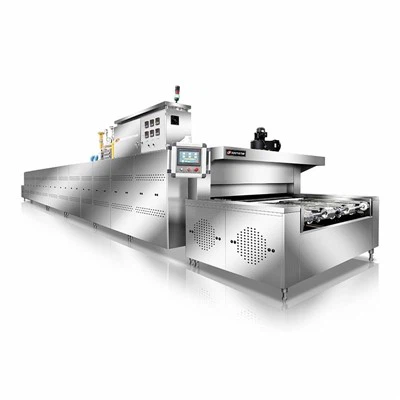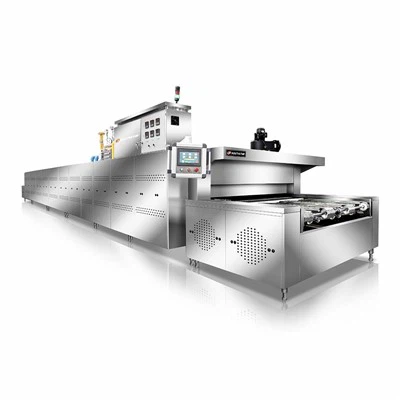


Rotary convection ovens are a staple in many commercial kitchens, offering efficient and consistent cooking results. As a supplier of these ovens, I've encountered a variety of common problems that users often face. Understanding these issues can help in troubleshooting and ensuring the optimal performance of the equipment.
Temperature Inconsistencies
One of the most prevalent problems with rotary convection ovens is temperature inconsistencies. This can manifest in several ways, such as uneven cooking, where some parts of the food are overcooked while others remain undercooked. There are multiple factors that can contribute to this issue.
Firstly, the heating elements may be malfunctioning. Over time, the heating elements can wear out or become damaged, leading to uneven heat distribution. For example, if one of the heating coils in an electric rotary convection oven is broken, it will not generate the necessary heat in that area, causing a cold spot in the oven. Regular inspection of the heating elements is crucial to identify and replace any faulty components.
Secondly, the fan in the convection system may not be working properly. The fan is responsible for circulating the hot air evenly throughout the oven cavity. If the fan is dirty, blocked, or has a mechanical problem, it will disrupt the air circulation, resulting in temperature variations. Cleaning the fan regularly and checking for any signs of damage or obstruction can help prevent this problem.
Another factor that can cause temperature inconsistencies is poor insulation. If the oven door does not seal properly or if there are gaps in the oven walls, heat can escape, leading to a drop in temperature in certain areas. Inspecting the door gasket for wear and tear and ensuring that the oven is well - insulated can help maintain a consistent temperature.
Fan Noise and Vibration
Excessive fan noise and vibration are also common complaints. A noisy fan can be a nuisance in a busy kitchen environment, and it may also indicate an underlying problem.
One possible cause of fan noise is a loose or damaged fan blade. Over time, the fan blade can become loose due to normal wear and tear or due to improper installation. A loose blade can cause the fan to vibrate and produce a loud noise. Tightening the fan blade or replacing it if it is damaged can solve this problem.
Another reason for fan noise could be a malfunctioning motor. The motor that drives the fan may be worn out or have a mechanical issue. A faulty motor can cause the fan to run unevenly, resulting in noise and vibration. Checking the motor for any signs of overheating, unusual noises, or electrical problems and replacing it if necessary can eliminate the noise.
Dirt and debris can also accumulate on the fan and motor, causing them to work harder and produce more noise. Regular cleaning of the fan and motor can help reduce noise and improve the overall performance of the oven.
Door Seal Problems
The door seal is an important component of a rotary convection oven. A faulty door seal can lead to several problems, including heat loss, uneven cooking, and energy inefficiency.
A common issue with door seals is that they can become worn out over time. The constant opening and closing of the oven door can cause the seal to lose its elasticity, resulting in gaps that allow heat to escape. Regularly inspecting the door seal for signs of wear, such as cracks or tears, and replacing it when necessary can help maintain a proper seal.
Another problem is that the door may not close properly. This can be due to a misaligned door hinge or a problem with the door latch. If the door does not close tightly, heat will escape, and the oven will not be able to maintain a consistent temperature. Adjusting the door hinge or repairing the door latch can ensure that the door closes properly.
Control Panel Malfunctions
The control panel is the interface through which users set the temperature, time, and other cooking parameters. Malfunctions in the control panel can make it difficult or impossible to operate the oven correctly.
One common problem is a non - responsive touchscreen or buttons. This can be caused by a software glitch, a loose connection, or a damaged component. In some cases, a simple reset of the control panel may solve the problem. However, if the issue persists, it may be necessary to replace the control panel or have it repaired by a professional.
Another issue is inaccurate temperature or time settings. The control panel may display incorrect values, which can lead to overcooking or undercooking of the food. This can be due to a calibration problem or a malfunction in the temperature or time sensors. Calibrating the control panel or replacing the sensors can help ensure accurate settings.
Baking Rack and Tray Issues
The baking racks and trays in a rotary convection oven are subject to wear and tear. They can become bent, warped, or corroded over time, which can affect the cooking performance.
Bent or warped baking racks can cause the food to sit unevenly in the oven, leading to uneven cooking. If the racks are bent, they can be straightened if possible, or they may need to be replaced. Corrosion can also occur, especially if the racks are not made of a high - quality material or if they are exposed to moisture or acidic foods. Using high - quality, corrosion - resistant racks and cleaning them properly after each use can help prevent this problem.
Steam Buildup and Condensation
In a rotary convection oven, steam buildup and condensation can be a problem, especially when cooking foods that release a lot of moisture. Excessive steam can cause the food to become soggy and can also lead to rust and corrosion inside the oven.
Poor ventilation can contribute to steam buildup. If the oven does not have adequate ventilation, the steam cannot escape, and it will condense on the oven walls and ceiling. Ensuring that the oven is properly ventilated, either through built - in vents or by using an external ventilation system, can help reduce steam buildup.
Another factor is the cooking process itself. Some cooking methods, such as steaming or roasting moist foods, generate more steam than others. Adjusting the cooking time and temperature or using a different cooking method can help control the amount of steam produced.
Solutions and Preventive Measures
To address these common problems, regular maintenance is essential. This includes cleaning the oven regularly, inspecting the components for wear and tear, and performing any necessary repairs or replacements.
For temperature inconsistencies, it is important to check the heating elements, fan, and insulation regularly. Cleaning the fan and ensuring proper ventilation can help maintain a consistent temperature.
To reduce fan noise and vibration, keep the fan and motor clean and check for any loose or damaged parts. Tightening or replacing the fan blade and motor if necessary can solve the problem.
Inspecting the door seal and ensuring that the door closes properly can prevent heat loss and temperature variations. Regularly checking the control panel for malfunctions and calibrating it as needed can ensure accurate operation.
Using high - quality baking racks and trays and cleaning them properly can prevent issues related to bent, warped, or corroded racks.


If you are in the market for a new or Used Electric Convection Oven or Used Gas Convection Oven, our Rotary Convection Oven models are designed to minimize these common problems. We offer high - quality, reliable ovens that are built to last.
If you have any questions or are interested in purchasing a rotary convection oven, please feel free to contact us. Our team of experts is ready to assist you in finding the right oven for your needs and can provide you with all the information you need to make an informed decision.
References
- "Commercial Oven Maintenance Guide", Professional Kitchen Equipment Association
- "Troubleshooting Convection Ovens", Cooking Equipment Magazine
- "The Science of Convection Ovens", Food Technology Journal