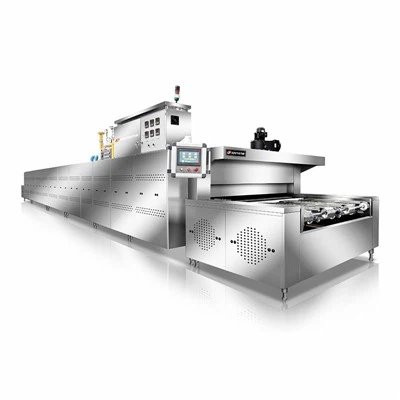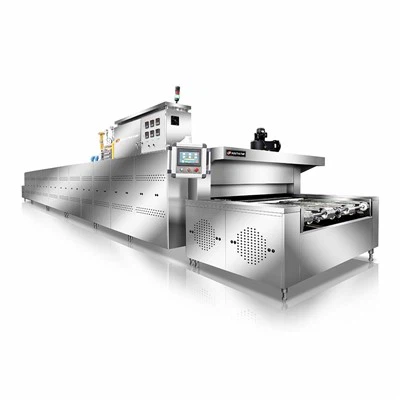


Industrial convection ovens are essential equipment in various industries, including food processing, electronics manufacturing, and automotive production. They provide uniform heating through the circulation of hot air, which is crucial for consistent product quality. When it comes to choosing an industrial convection oven, one of the primary decisions is whether to opt for a gas or an electric model. As an industrial convection oven supplier, I've had the opportunity to work with both types extensively and understand their differences thoroughly. In this blog post, I'll delve into the key distinctions between gas and electric industrial convection ovens to help you make an informed decision for your business.
1. Energy Source and Efficiency
The most fundamental difference between gas and electric industrial convection ovens lies in their energy sources. Gas ovens use natural gas or propane as fuel, while electric ovens rely on electricity. This difference has a significant impact on energy efficiency, cost, and environmental considerations.
Gas Ovens
Gas ovens are generally more energy - efficient than electric ovens, especially when used for high - volume and continuous production. Natural gas and propane have a high energy density, which means they can produce a large amount of heat with relatively less fuel. This results in lower energy costs over time, especially in regions where gas prices are favorable.
Moreover, gas ovens can heat up more quickly than electric ovens. The direct combustion of gas allows for rapid heat generation, reducing pre - heating times and increasing productivity. However, gas ovens require proper ventilation systems to remove combustion by - products such as carbon monoxide and nitrogen oxides, which can be a safety and environmental concern if not managed correctly.


Electric Ovens
Electric ovens, on the other hand, are known for their precise temperature control. Electricity can be easily regulated to maintain a stable temperature within the oven, which is crucial for processes that require strict temperature accuracy, such as baking delicate pastries or curing electronic components.
In terms of energy efficiency, electric ovens are less efficient than gas ovens in large - scale operations. However, they are a good choice for smaller - scale or intermittent use, as they don't require the complex infrastructure associated with gas supply and ventilation. Additionally, electric ovens produce no on - site emissions, making them a more environmentally friendly option in terms of air quality within the facility.
2. Temperature Range and Distribution
Another important factor to consider is the temperature range and distribution within the oven.
Gas Ovens
Gas ovens can typically reach higher temperatures than electric ovens. They are capable of achieving temperatures up to 1200°F (650°C) or even higher in some industrial applications. This makes them suitable for processes such as high - temperature baking, annealing metals, and ceramic firing.
However, the temperature distribution in gas ovens can be less uniform compared to electric ovens. The combustion process in gas ovens can create hot spots near the burners, which may require additional measures such as fans and baffles to ensure even heat distribution.
Electric Ovens
Electric ovens usually have a more limited temperature range, typically up to around 600°F (315°C). While this may not be sufficient for some high - temperature applications, it is more than adequate for many common industrial processes, such as drying, curing, and light baking.
Electric ovens are known for their excellent temperature distribution. The heating elements in electric ovens are designed to radiate heat evenly throughout the oven chamber, resulting in consistent product quality. This makes them ideal for applications where uniform heating is critical.
3. Installation and Maintenance
The installation and maintenance requirements for gas and electric industrial convection ovens also differ significantly.
Gas Ovens
Installing a gas oven is a more complex process than installing an electric oven. It requires a dedicated gas supply line, which must be installed by a qualified professional to ensure safety. Additionally, gas ovens need a proper ventilation system to remove combustion by - products, which adds to the installation cost and complexity.
In terms of maintenance, gas ovens require regular inspection of the gas supply system, burners, and ventilation components. The burners may need to be cleaned or adjusted periodically to ensure efficient combustion. Any gas leaks can be extremely dangerous, so regular safety checks are essential.
Electric Ovens
Electric ovens are relatively easy to install. They only require a suitable electrical connection, which can be easily arranged in most industrial facilities. There is no need for a gas supply line or a complex ventilation system, which simplifies the installation process and reduces costs.
Maintenance of electric ovens is also generally less complicated. The main components that may require attention are the heating elements and the control system. Heating elements may need to be replaced over time due to wear and tear, but this is a relatively straightforward procedure.
4. Cost
Cost is always a significant consideration when purchasing an industrial convection oven.
Gas Ovens
The initial purchase price of a gas oven is often lower than that of an electric oven, especially for large - capacity models. However, the installation cost can be higher due to the need for a gas supply line and ventilation system. In the long run, gas ovens can be more cost - effective in terms of energy consumption, especially for high - volume production.
Electric Ovens
Electric ovens typically have a higher initial purchase price, especially for models with advanced temperature control features. However, the installation cost is lower, and they may be more cost - effective for smaller - scale operations or applications with intermittent use.
5. Safety
Safety is a top priority in any industrial setting, and both gas and electric ovens have their own safety considerations.
Gas Ovens
The main safety concern with gas ovens is the risk of gas leaks, which can lead to explosions or fires. Proper installation, regular maintenance, and the use of gas leak detectors are essential to mitigate this risk. Additionally, the combustion by - products produced by gas ovens can be harmful if inhaled, so a well - designed ventilation system is crucial.
Electric Ovens
Electric ovens are generally considered safer in terms of fire risk, as there is no open flame or combustible gas. However, they still pose a risk of electrical shock if not properly installed or maintained. It is important to ensure that the electrical connections are secure and that the oven is grounded correctly.
Our Product Range
As an industrial convection oven supplier, we offer a wide range of gas and electric industrial convection ovens to meet the diverse needs of our customers. Our Small Portable Convection Oven is a great option for small - scale operations or for applications where portability is required. It is available in both gas and electric models, allowing you to choose the energy source that best suits your needs.
For larger - scale production, our Multi Layer Convection Oven provides high - volume capacity and efficient operation. These ovens can be customized with either gas or electric heating systems, depending on your specific requirements.
We also offer Combination Convection Ovens, which combine the benefits of both gas and electric heating. These ovens provide flexibility in terms of temperature control and energy efficiency, making them suitable for a wide range of industrial applications.
Conclusion
In conclusion, the choice between a gas and an electric industrial convection oven depends on several factors, including energy efficiency, temperature requirements, installation and maintenance costs, and safety considerations. Gas ovens are more suitable for high - volume, high - temperature applications and can be more cost - effective in the long run, but they require more complex installation and maintenance. Electric ovens, on the other hand, offer precise temperature control, easy installation, and lower safety risks, making them a good choice for smaller - scale or intermittent use.
If you're considering purchasing an industrial convection oven for your business, we encourage you to contact us to discuss your specific needs. Our team of experts can help you choose the right oven for your application and provide you with detailed information on installation, maintenance, and cost. We are committed to providing high - quality products and excellent customer service to ensure your satisfaction.
References
- "Industrial Ovens: A Comprehensive Guide" by Industrial Heating Magazine
- "Energy Efficiency in Industrial Ovens" by the Department of Energy
- "Safety Standards for Industrial Convection Ovens" by the Occupational Safety and Health Administration (OSHA)