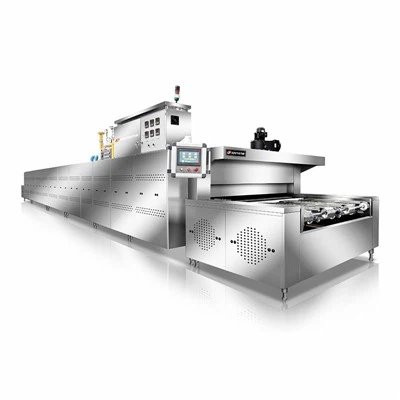


Hey there! As a supplier of dough moulders, I often get asked about the dimensions of a standard dough moulder. It's a crucial question, especially for bakeries, cafes, and anyone in the food industry looking to streamline their dough - shaping process. In this blog, I'll break down the typical dimensions and how they matter in your baking operations.
Why Dimensions Matter
First off, let's talk about why the dimensions of a dough moulder are so important. The size of the machine affects how much space it'll take up in your kitchen or bakery. If you've got a small workspace, you can't afford to have a huge, bulky dough moulder taking up half the room. On the other hand, if you're running a large - scale commercial bakery, you'll need a machine that can handle high - volume production, and that might mean a bigger unit.
Another factor is the size of the dough pieces you want to shape. Different dough moulders are designed to work with specific sizes of dough, and the dimensions of the machine play a big role in determining what kind of dough products you can make. Whether you're making small dinner rolls or large baguettes, the right dimensions are key.
Typical Dimensions of a Standard Dough Moulder
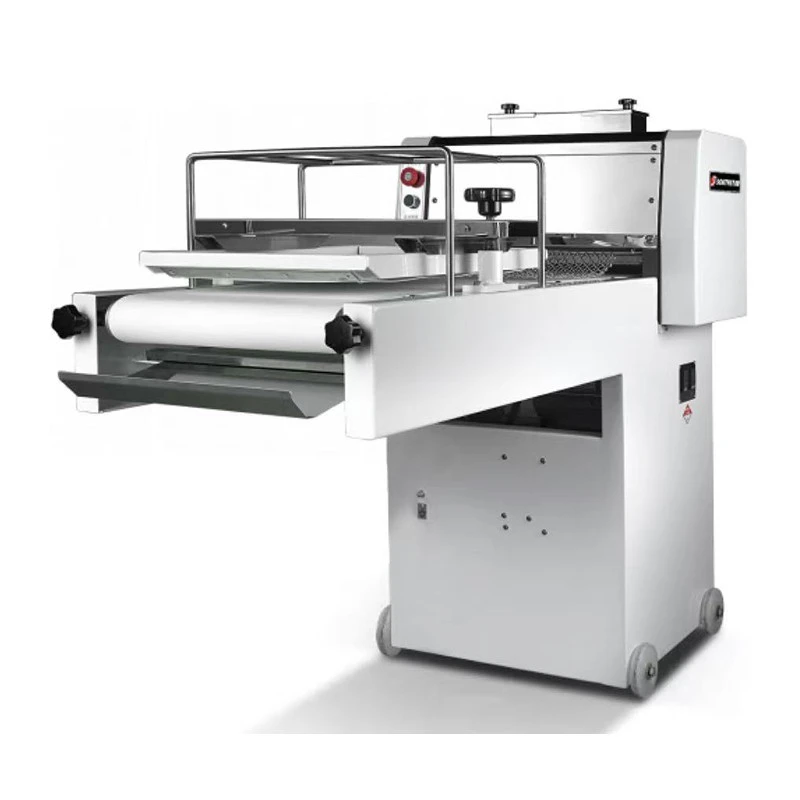
Now, let's get into the nitty - gritty of the dimensions. A standard dough moulder usually has a length that ranges from around 1.2 meters to 2 meters. This length is important because it determines how much dough can be processed at once. A longer machine can handle more dough, which is great for high - volume bakeries. For example, if you're making a large batch of bread every day, a longer dough moulder will allow you to work more efficiently.
The width of a standard dough moulder is typically between 0.5 meters and 1 meter. The width affects how wide the dough pieces can be. If you're making wide - format bread like some types of artisanal loaves, you'll need a wider machine. A narrower width might be sufficient for smaller, more compact dough products like buns.
The height of a dough moulder is usually around 1 meter to 1.5 meters. This height is designed to be at a comfortable working level for the operator. You don't want a machine that's too low or too high, as it can cause strain on the back and arms during operation.
Dimensions for Specific Types of Dough Moulders
Toast Moulders
Toast moulders are designed specifically for shaping dough into the rectangular shape that's perfect for toast. A 380mm Toast Moulder has a width that's around 380mm, which is ideal for creating standard - sized toast slices. The length and height of these machines are similar to the standard dimensions we talked about earlier, but the width is what sets them apart. They're often a bit more compact, making them a great choice for smaller bakeries or cafes.
Commercial Use Toast Moulders
Commercial Use Toast Moulders are built to handle high - volume production. These machines are usually larger in all dimensions compared to regular toast moulders. They can have a length of up to 2 meters, a width of around 1 meter, and a height of about 1.5 meters. This extra size allows them to process a large amount of dough quickly, which is essential for commercial bakeries that supply toast to restaurants and supermarkets.
Baguette Dough Moulders
Baguette Dough Moulders have unique dimensions because they're designed to shape long, thin baguettes. The length of these machines can be long, often around 1.5 meters or more, to ensure that the baguettes are shaped evenly. The width is usually narrower, around 0.5 meters, to match the thin shape of the baguettes. The height is similar to other dough moulders, around 1 - 1.5 meters.

Considerations When Choosing Dimensions
When you're choosing a dough moulder, it's not just about the standard dimensions. You need to consider your specific needs. Here are some things to think about:
- Space in Your Kitchen: Measure the area where you plan to place the dough moulder. Make sure there's enough room for the machine and for you to move around it comfortably. You also need to consider any ventilation requirements and access to power sources.
- Production Volume: If you're making a small number of dough products each day, a smaller machine might be sufficient. But if you're a large - scale bakery, you'll need a bigger machine that can handle the high volume.
- Types of Dough Products: As we've seen, different dough products require different dimensions. If you're making a variety of products, you might need to choose a machine with adjustable dimensions or invest in multiple machines.
How the Dimensions Affect Performance
The dimensions of a dough moulder can have a big impact on its performance. A machine with the right dimensions will work more efficiently. For example, if the length of the machine is too short for the amount of dough you're processing, the dough might not be shaped properly. On the other hand, if the width is too narrow for the dough pieces you're making, it can cause the dough to bunch up and result in uneven shaping.
The height of the machine also affects performance. If it's not at a comfortable working level, the operator might get tired quickly, which can lead to mistakes and a decrease in productivity.
Conclusion
In conclusion, the dimensions of a standard dough moulder are an important factor to consider when you're in the market for one. Whether you're a small - scale baker or a large - scale commercial operation, choosing the right dimensions will ensure that you get the most out of your dough moulder.
If you're interested in learning more about our dough moulders or have any questions about the dimensions that would be right for your business, don't hesitate to reach out. We're here to help you find the perfect dough moulder for your needs. Let's start a conversation and see how we can improve your dough - shaping process!
References
- Bakery Equipment Handbook: Covers general information about dough moulders and their dimensions.
- Industry Reports: Provide data on the common dimensions used in different types of dough - processing operations.