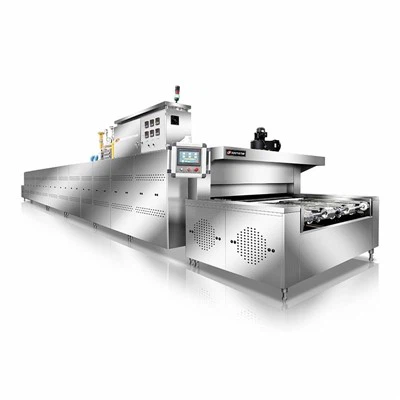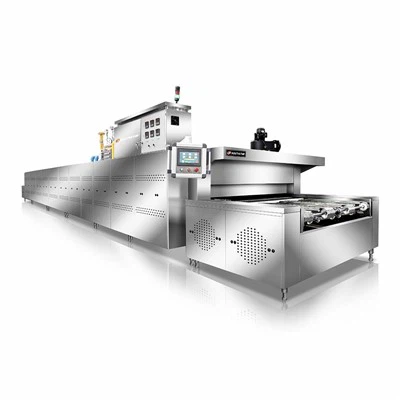


As a supplier of double rack ovens, I understand that while these ovens offer many advantages, they also come with certain disadvantages. In this blog, I'll delve into the drawbacks of double rack ovens to provide a comprehensive view for potential customers.
1. High Initial Cost
One of the most significant disadvantages of a double rack oven is the high initial investment required. These ovens are more complex in design and have a larger capacity compared to single - rack ovens. The cost of manufacturing, the quality of materials used, and the advanced features built - in all contribute to a higher price tag. For small - scale bakeries or restaurants with limited budgets, purchasing a double rack oven can be a substantial financial burden. This large upfront cost may deter some entrepreneurs from investing in these ovens, even though they may see the long - term benefits of having a larger baking capacity.
2. Space Requirements
Double rack ovens are bulky and require a significant amount of space in the kitchen. They are larger than single - rack ovens, both in terms of floor space and vertical clearance. In a commercial kitchen where space is often at a premium, installing a double rack oven can be a challenge. It may require rearranging the entire kitchen layout, which can be time - consuming and costly. Additionally, if the kitchen space is too small, ventilation around the oven can be restricted, leading to overheating issues and potential damage to the oven or other kitchen equipment.


3. Energy Consumption
Double rack ovens generally consume more energy than their single - rack counterparts. Since they have a larger chamber and more heating elements to operate, they need more power to reach and maintain the desired baking temperature. This increased energy consumption can translate into higher utility bills for the business. In an era where energy efficiency is a major concern for many businesses, the high energy use of double rack ovens can be a major drawback.
However, it's worth noting that there are energy - saving options available in the market. For example, the Energy Saving Rotary Rack Oven is designed with advanced technology to reduce energy consumption while still providing the same high - quality baking performance.
4. Maintenance and Repair Complexity
The complexity of double rack ovens means that maintenance and repair can be more challenging and costly. These ovens have multiple components, such as heating elements, fans, and control systems, all of which need to be regularly maintained to ensure optimal performance. When something goes wrong, diagnosing the problem can be difficult, especially for those without specialized technical knowledge.
Moreover, replacement parts for double rack ovens can be expensive and may take longer to source, leading to longer downtime for the business. In contrast, single - rack ovens are generally simpler in design, making them easier and cheaper to maintain and repair.
5. Uneven Baking in Some Cases
Despite advancements in oven technology, achieving perfectly even baking across all racks in a double rack oven can still be a challenge. The top and bottom racks may experience different heat distributions due to factors such as the position of the heating elements and the flow of hot air within the oven chamber. This can result in some products on one rack being over - baked while those on another are under - baked.
Bakers may need to adjust their recipes and baking times to compensate for these differences, which can be time - consuming and may require some trial and error. Some double rack ovens, like the Middle Rotating Rack Oven, are designed to address this issue by evenly distributing the heat through rotation, but these models may also come at a higher cost.
6. Training Requirements
Operating a double rack oven effectively requires proper training. The more complex controls and features of these ovens mean that staff need to be educated on how to use them correctly. This includes understanding how to set the right temperature, time, and other baking parameters for different types of products.
Training can be time - consuming and may require the business to allocate resources, such as hiring a trainer or taking staff off - site for training. If staff are not properly trained, it can lead to sub - optimal baking results, wasted ingredients, and even damage to the oven.
7. Limited Flexibility for Small - Batch Baking
Double rack ovens are designed to handle large - scale baking operations. For businesses that primarily deal with small - batch baking or need to adjust production volumes frequently, a double rack oven may not be the most suitable option. Filling only one rack or baking small quantities in a large oven can be inefficient, as the oven still consumes a significant amount of energy to heat the entire chamber.
It may be more cost - effective for these businesses to invest in a single - rack oven or other smaller baking equipment that can better match their production needs.
Navigating the Disadvantages
While the disadvantages of double rack ovens are significant, they can be mitigated. By choosing energy - efficient models like the Micro Computer Control Rotary Rack Oven, which allows for precise control of baking parameters and optimized energy use, businesses can reduce energy costs. For the issue of uneven baking, selecting ovens with advanced airflow systems or rotating racks can help ensure more consistent results.
Investing in proper training programs for staff can also enhance the efficiency and performance of the oven, reducing the likelihood of errors and costly repairs. When it comes to space and budget constraints, careful planning and exploring financing options can make the purchase of a double rack oven more feasible.
Conclusion and Call to Action
In conclusion, double rack ovens, while not without their drawbacks, offer significant advantages in terms of large - scale baking capacity and efficiency for many commercial kitchens. Understanding the disadvantages is crucial for businesses to make an informed decision. If you're considering purchasing a double rack oven and have concerns about these issues, our team of experts is here to help. We can provide detailed information about our product range, including how each model addresses the potential drawbacks mentioned above. Contact us to start a discussion about how a double rack oven can best fit your bakery or restaurant needs.
References
- "Commercial Baking Equipment Handbook", Industry Press, 20XX.
- "Energy Efficiency in Ovens: Trends and Best Practices", Journal of Food Equipment Science, Vol. XX, Issue XX, 20XX.