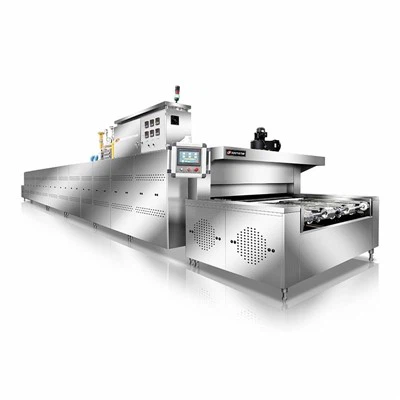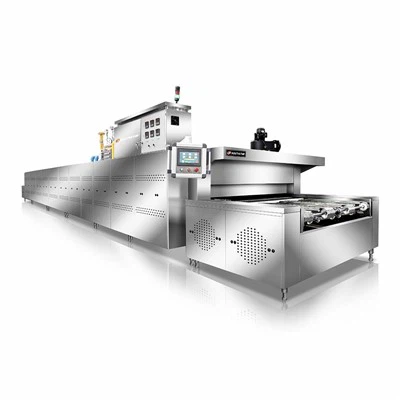


Industrial convection ovens are essential equipment in various industries, from food processing to manufacturing. Understanding the energy efficiency of these ovens is crucial for both cost - savings and environmental sustainability. As a supplier of industrial convection ovens, I am well - versed in the factors that influence their energy efficiency and how to optimize it.
How Industrial Convection Ovens Work
Before delving into energy efficiency, it's important to understand the basic working principle of an industrial convection oven. These ovens use a fan to circulate hot air evenly throughout the cooking or heating chamber. This forced air circulation ensures that the product inside the oven is heated more quickly and uniformly compared to a conventional oven. The heat source can be electric, gas, or steam, each with its own characteristics in terms of energy consumption and heat transfer efficiency.
Factors Affecting Energy Efficiency
Insulation
One of the most significant factors affecting the energy efficiency of an industrial convection oven is insulation. High - quality insulation materials can prevent heat loss from the oven's interior to the surrounding environment. When an oven is well - insulated, less energy is required to maintain the desired temperature. For example, ovens with thick ceramic fiber insulation can reduce heat leakage significantly, which in turn lowers the energy consumption over time. As a supplier, we ensure that our ovens are equipped with top - notch insulation to provide maximum energy efficiency for our customers.


Fan Design and Performance
The fan in an industrial convection oven plays a vital role in energy efficiency. A well - designed fan can circulate air effectively with minimal power consumption. The size, shape, and speed of the fan blades all impact its performance. A fan that is too large or operates at an unnecessarily high speed will consume more energy. On the contrary, an appropriately sized and efficient fan can distribute heat evenly while using less electricity. Our company invests in research and development to optimize fan designs, ensuring that our ovens achieve the best balance between air circulation and energy use.
Temperature Control Systems
Accurate temperature control is essential for energy efficiency. Modern industrial convection ovens are equipped with advanced temperature control systems that can precisely maintain the set temperature. These systems use sensors to monitor the temperature inside the oven and adjust the heat source accordingly. For instance, a proportional - integral - derivative (PID) controller can fine - tune the heating process, reducing overshoot and undershoot of the temperature. This not only ensures consistent product quality but also saves energy by preventing excessive heating.
Heat Source Efficiency
The type of heat source used in an industrial convection oven has a significant impact on its energy efficiency. Electric ovens are known for their clean operation and precise temperature control. However, they can be relatively more expensive to operate in areas with high electricity costs. Gas - fired ovens, on the other hand, can provide a high heat output at a lower cost, especially in regions where natural gas is readily available. Steam - heated ovens are often used in applications where gentle and uniform heating is required. Each heat source has its own efficiency rating, and choosing the right one depends on the specific requirements of the application.
Measuring Energy Efficiency
There are several ways to measure the energy efficiency of an industrial convection oven. One common metric is the specific energy consumption (SEC), which is defined as the amount of energy consumed per unit of product processed. A lower SEC indicates higher energy efficiency. Another important measure is the coefficient of performance (COP), which is the ratio of the useful heat output to the energy input. A COP greater than 1 indicates that the oven is operating efficiently.
Energy - Saving Tips for Industrial Convection Ovens
Proper Loading
The way an oven is loaded can affect its energy efficiency. Overloading the oven can restrict air circulation, leading to uneven heating and increased energy consumption. On the other hand, under - loading the oven can also be wasteful, as the oven still needs to maintain the set temperature. It's important to follow the manufacturer's guidelines on the maximum and minimum loading capacity to ensure optimal energy use.
Regular Maintenance
Regular maintenance is crucial for keeping an industrial convection oven operating efficiently. This includes cleaning the oven interior, checking and replacing worn - out parts such as gaskets and heating elements, and calibrating the temperature control system. A well - maintained oven will have better insulation, more efficient air circulation, and more accurate temperature control, all of which contribute to energy savings.
Use of Energy - Saving Modes
Many modern industrial convection ovens come with energy - saving modes. These modes can adjust the fan speed, heating power, and other parameters based on the operating conditions. For example, an idle mode can reduce the energy consumption when the oven is not in use but still needs to maintain a standby temperature.
Our Product Range and Energy Efficiency
As a supplier of industrial convection ovens, we offer a wide range of products to meet the diverse needs of our customers. Our Small Portable Convection Oven is designed for small - scale operations or applications where portability is required. Despite its compact size, it is highly energy - efficient, thanks to its advanced insulation and efficient fan design.
Our Multi Layer Convection Oven is suitable for large - scale production. It features multiple layers to increase the processing capacity while maintaining excellent energy efficiency. The air circulation system in this oven is carefully designed to ensure uniform heating across all layers, reducing the overall energy consumption per unit of product.
The Combination Convection Oven combines the advantages of different heating methods, such as convection and steam heating. This allows for more flexible and energy - efficient operation, depending on the specific requirements of the product being processed.
Conclusion and Call to Action
In conclusion, the energy efficiency of an industrial convection oven is influenced by multiple factors, including insulation, fan design, temperature control systems, and heat source efficiency. By understanding these factors and implementing energy - saving measures, businesses can significantly reduce their energy costs and environmental impact.
As a leading supplier of industrial convection ovens, we are committed to providing our customers with high - quality, energy - efficient products. If you are in the market for an industrial convection oven or want to improve the energy efficiency of your existing equipment, we invite you to contact us for a detailed consultation. Our team of experts will be happy to help you find the best solution for your specific needs.
References
- "Industrial Oven Handbook", John Wiley & Sons
- "Energy Efficiency in Industrial Processes", Springer Publishing