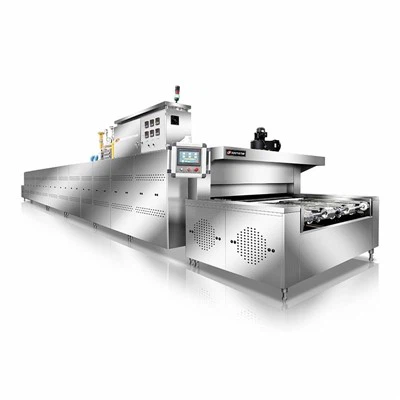


As a seasoned supplier of bread toast moulders, I've witnessed firsthand the remarkable evolution of this industry. From humble beginnings with basic manual machines to the sophisticated, high - tech equipment we have today, the journey of bread toast moulders has been nothing short of extraordinary. In this blog, I'll delve into what I foresee as the future development directions of bread toast moulders, drawing on my years of experience and insights into the market trends.
1. Automation and Integration
One of the most prominent trends in the future of bread toast moulders is the increasing level of automation. As labor costs continue to rise globally, and the demand for consistent, high - quality products grows, bakeries are turning to automated solutions. This means that bread toast moulders will be equipped with more advanced sensors and control systems. These sensors can detect the dough's properties, such as its moisture content, temperature, and consistency, in real - time. Based on this data, the moulder can automatically adjust its settings, like the pressure and speed of the moulding process, to ensure the perfect shape and texture of the bread.
Moreover, future bread toast moulders will be more seamlessly integrated with other bakery equipment. For instance, they could be connected to dough mixers and proofers. Once the dough is mixed to the right consistency in the mixer, it can be directly transferred to the bread toast moulder without any manual intervention. After moulding, the shaped dough can then be automatically moved to the proofer. This integration not only streamlines the production process but also reduces the risk of human error and contamination. For suppliers like me, this means investing in research and development to create moulders that are compatible with a wide range of bakery equipment.
2. Customization and Flexibility
Consumers today have diverse tastes and preferences when it comes to bread. There is a growing demand for artisanal and specialty breads, in addition to the traditional white and whole - wheat loaves. To meet these changing demands, bread toast moulders of the future will need to be highly customizable. They should be able to create a variety of bread shapes, from classic rectangular toast to unique, irregular forms.
For example, a Baguette Dough Moulder can be designed to produce baguettes of different lengths and thicknesses, catering to different market segments. Similarly, a 380mm Toast Moulder can be adjusted to create toast with varying heights and widths. This flexibility will allow bakeries to experiment with new product lines and differentiate themselves in the competitive market. As a supplier, I'll focus on developing moulders that can be easily reconfigured to meet the specific needs of each bakery.
3. Energy Efficiency
In an era of increasing environmental awareness and rising energy costs, energy efficiency will be a key consideration in the design of future bread toast moulders. Manufacturers will need to develop machines that consume less power without compromising on performance. This can be achieved through the use of more efficient motors, better insulation, and advanced control algorithms.
For example, some modern bread toast moulders are already using variable - speed drives, which adjust the motor's speed according to the actual load. This reduces energy consumption during periods of low demand. In the future, we can expect to see more innovative solutions, such as the use of regenerative braking systems, which convert the energy generated during the braking process back into electrical energy. As a supplier, I'll be committed to promoting energy - efficient products and educating my customers about the long - term cost savings associated with them.
4. Hygiene and Sanitation
Hygiene is of utmost importance in the food industry, and bread toast moulders are no exception. Future moulders will be designed with improved hygiene features to prevent the growth of bacteria and other contaminants. This includes using easy - to - clean materials, such as stainless steel, and designing the machines with smooth surfaces and minimal crevices where dirt can accumulate.
In addition, self - cleaning mechanisms may become more common. These mechanisms can automatically clean the interior components of the moulder after each production cycle, reducing the need for manual cleaning and minimizing the risk of cross - contamination. As a supplier, I'll ensure that all my bread toast moulders meet the highest hygiene standards and provide my customers with detailed cleaning and maintenance instructions.
5. Data Analytics and Remote Monitoring
The future of bread toast moulders will also be shaped by the use of data analytics and remote monitoring. By collecting and analyzing data on the moulder's performance, such as the number of cycles, the energy consumption, and the quality of the moulded bread, bakeries can identify areas for improvement and optimize their production processes.
Remote monitoring allows bakery owners and operators to keep track of the moulder's status from anywhere in the world. They can receive real - time alerts if there is a problem with the machine, such as a malfunction or a deviation from the normal operating parameters. This enables them to take immediate action and minimize downtime. As a supplier, I'll offer data - analytics and remote - monitoring services to my customers, helping them to make informed decisions and improve their overall productivity.
6. Industry 4.0 and the Internet of Things (IoT)
The concept of Industry 4.0, which involves the integration of digital technology into manufacturing, will have a profound impact on the bread toast moulder industry. IoT - enabled bread toast moulders will be able to communicate with other devices in the bakery, as well as with suppliers and customers.


For example, a bread toast moulder can automatically order spare parts when it detects a potential issue with a component. It can also share data with the bakery's inventory management system, ensuring that the right amount of raw materials is available at all times. This level of connectivity and automation will revolutionize the way bakeries operate, making them more efficient and responsive to market changes. As a supplier, I'll be at the forefront of this technological revolution, developing IoT - enabled bread toast moulders that offer seamless integration and enhanced functionality.
Conclusion
The future of bread toast moulders is bright and full of opportunities. With the trends of automation, customization, energy efficiency, hygiene, data analytics, and Industry 4.0, these machines will become even more essential in the bakery industry. As a Bread Toast Moulder supplier, I'm excited about the possibilities and committed to providing my customers with the most advanced and innovative products on the market.
If you're in the bakery business and looking to upgrade your equipment or invest in a new bread toast moulder, I invite you to get in touch with me. We can discuss your specific needs and how our products can help you achieve your business goals. Whether you're a small artisanal bakery or a large - scale commercial operation, we have the right solution for you.
References
- "Automation in the Food Industry: Trends and Challenges", Journal of Food Science and Technology
- "Energy - Efficient Technologies for Bakery Equipment", International Journal of Bakery Research
- "Hygiene Standards in Food Processing Machinery", Food Safety Magazine