

What is the Ideal Humidity Level When Using a Pizza Oven?
As a pizza oven supplier, I've had numerous conversations with pizzeria owners, home cooks, and pizza enthusiasts about the nuances of pizza making. One aspect that often gets overlooked but plays a crucial role in achieving the perfect pizza is humidity. In this blog post, I'll delve into the ideal humidity levels when using a pizza oven and how it impacts the final product.
The Science Behind Humidity in Pizza Ovens
Humidity refers to the amount of water vapor present in the air. In the context of a pizza oven, humidity can significantly affect the baking process. When dough is placed in an oven, the heat causes the water in the dough to evaporate. The rate at which this evaporation occurs is influenced by the humidity level inside the oven.
If the humidity is too low, the surface of the dough will dry out quickly, forming a hard crust before the interior has a chance to cook properly. This can result in a pizza with a tough, dry crust and an undercooked center. On the other hand, if the humidity is too high, the dough will absorb moisture from the air, making it difficult to achieve a crispy crust. The pizza may also take longer to cook, and the cheese may not melt and brown evenly.


Ideal Humidity Levels for Different Types of Pizza Ovens
The ideal humidity level can vary depending on the type of pizza oven you're using. Here's a breakdown of the recommended humidity levels for some common types of pizza ovens:
Conveyor Pizza Ovens
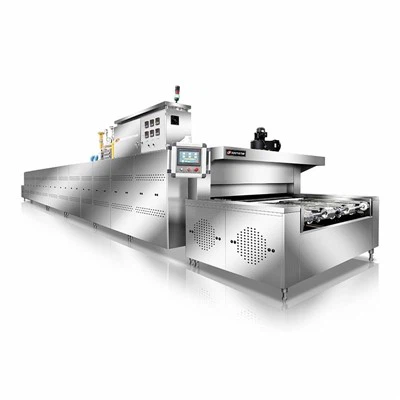
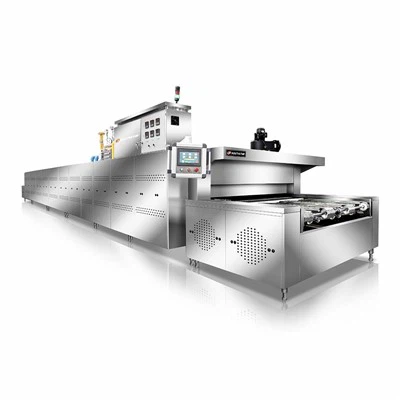
Conveyor pizza ovens are commonly used in commercial pizzerias because they can bake multiple pizzas simultaneously. These ovens typically have a high heat output and a relatively short baking time. For conveyor pizza ovens, the ideal humidity level is between 20% and 30%. This level of humidity helps to ensure that the crust cooks evenly and develops a crispy texture without drying out too quickly.
Our 18 Inch Gas Conveyor Pizza Oven is a popular choice for small to medium-sized pizzerias. It offers precise temperature control and a consistent baking environment, making it easier to maintain the ideal humidity level.
Deck Pizza Ovens
Deck pizza ovens are known for their ability to produce high-quality pizzas with a crispy crust and a chewy interior. These ovens use stone or ceramic decks to absorb and radiate heat, which helps to cook the pizza evenly. The ideal humidity level for deck pizza ovens is slightly higher than that of conveyor ovens, ranging from 30% to 40%. The extra moisture in the air helps to keep the dough hydrated during the baking process, resulting in a more tender crust.
Wood-Fired Pizza Ovens
Wood-fired pizza ovens are beloved by pizza purists for their ability to impart a unique smoky flavor to the pizza. These ovens reach very high temperatures, and the burning wood adds moisture to the air inside the oven. The ideal humidity level for wood-fired pizza ovens can vary depending on the type of wood used and the ventilation in the oven. Generally, a humidity level of 35% to 45% is recommended. This level of humidity helps to balance the intense heat of the wood fire and prevents the crust from burning while ensuring that the pizza cooks through.
Controlling Humidity in Your Pizza Oven
Now that you know the ideal humidity levels for different types of pizza ovens, you may be wondering how to control the humidity in your oven. Here are some tips:
Preheat Your Oven Properly
Preheating your oven is essential for achieving the right humidity level. Make sure to preheat your oven for at least 15 to 20 minutes before baking your pizza. This allows the oven to reach the desired temperature and helps to stabilize the humidity inside.
Use a Humidity Sensor
A humidity sensor can be a valuable tool for monitoring the humidity level in your oven. You can place the sensor inside the oven and check the reading before and during the baking process. If the humidity is too low, you can add a small amount of water to the oven using a spray bottle. If the humidity is too high, you can increase the ventilation in the oven to allow the excess moisture to escape.
Adjust Your Baking Time and Temperature
If you notice that the humidity level in your oven is affecting the quality of your pizza, you may need to adjust your baking time and temperature. For example, if the humidity is too low and the crust is drying out too quickly, you can reduce the temperature slightly and increase the baking time. Conversely, if the humidity is too high and the pizza is taking too long to cook, you can increase the temperature and reduce the baking time.
Choose the Right Ingredients
The ingredients you use in your pizza can also affect the humidity level in the oven. For example, using fresh ingredients with a high water content, such as tomatoes and mushrooms, can increase the humidity inside the oven. On the other hand, using dry ingredients, such as flour and cheese, can help to reduce the humidity. Experiment with different ingredients to find the combination that works best for your oven and your desired pizza style.
Conclusion
Achieving the ideal humidity level when using a pizza oven is essential for making delicious, high-quality pizzas. By understanding the science behind humidity and following the tips outlined in this blog post, you can ensure that your pizzas have a crispy crust, a chewy interior, and a perfect balance of flavors.
If you're in the market for a new pizza oven, we offer a wide range of options to suit your needs and budget. Our Mini Conveyor Pizza Oven is perfect for home use or small cafes, while our Big Conveyor Pizza Oven is ideal for large commercial pizzerias.
If you have any questions about our pizza ovens or need help choosing the right one for your business, please don't hesitate to contact us. We're here to help you take your pizza making to the next level.
References
- "The Science of Pizza Baking" by Pizza Today Magazine
- "Pizza Oven Handbook" by the National Restaurant Association