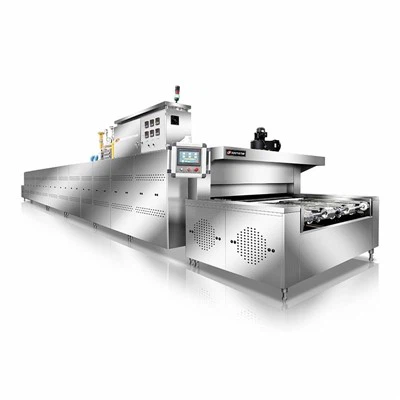


Hey there! As a supplier of industrial convection ovens, I often get asked about the maximum load capacity of an industrial convection oven shelf. It's a crucial question, especially for businesses that rely on these ovens for their daily operations. So, let's dive right in and explore this topic in detail.
First off, what exactly is an industrial convection oven? Well, it's a powerful piece of equipment used in various industries like food processing, manufacturing, and even in some research facilities. Unlike regular ovens, industrial convection ovens use a fan to circulate hot air evenly throughout the chamber. This ensures that the items inside are heated uniformly, reducing cooking or processing times and improving the overall quality of the end product.
Now, onto the main question: what's the maximum load capacity of an industrial convection oven shelf? The answer isn't as straightforward as you might think. There are several factors that come into play, and I'll break them down for you.
1. Oven Size and Design
The size and design of the oven are the most obvious factors. Larger ovens generally have shelves with a higher load capacity. For example, our Large Portable Convection Oven is built to handle more substantial loads compared to our Small Portable Convection Oven. The design of the oven also matters. Some ovens have reinforced shelves or a better support structure, which can increase the load capacity.
2. Shelf Material
The material of the shelf plays a significant role in determining its load capacity. Most industrial convection oven shelves are made of stainless steel, which is strong and durable. However, the thickness and quality of the stainless steel can vary. Thicker and higher - quality stainless steel shelves can support more weight. For instance, if you're using the oven to bake heavy items like large batches of bread or to heat up metal parts in a manufacturing process, you'll want a shelf made of high - grade stainless steel.
3. Air Circulation
Air circulation is a key feature of convection ovens. When you overload the shelves, it can disrupt the air circulation. This not only affects the performance of the oven but can also put extra stress on the shelves. If the air can't circulate properly, the oven may not heat evenly, and the items may not cook or process correctly. So, even if the shelf can physically hold a large amount of weight, overloading it can lead to other problems.
4. Type of Load
The type of items you're placing on the shelf matters too. If you're loading lightweight items like cookies or small plastic parts, the load capacity can be relatively high. But if you're dealing with heavy, dense items like large cast - iron components, the capacity will be lower. You also need to consider the distribution of the load. Unevenly distributed weight can cause the shelf to bend or break, even if the total weight is within the supposed capacity.
Typical Load Capacities
In general, small industrial convection ovens may have a shelf load capacity of around 20 - 50 pounds per shelf. Medium - sized ovens can handle 50 - 100 pounds per shelf, and large industrial ovens can have a capacity of 100 pounds or more per shelf. However, these are just rough estimates, and the actual capacity can vary depending on the factors we discussed earlier.
Our Multi Layer Convection Oven is a great example. It's designed with multiple shelves, and each shelf is engineered to support a specific load. By distributing the load across multiple shelves, you can process a large quantity of items without overloading any single shelf.


Importance of Staying Within the Load Capacity
It's crucial to stay within the recommended load capacity of the oven shelf. Overloading the shelves can lead to several problems. Firstly, it can damage the shelves, which may require costly repairs or replacements. Secondly, it can affect the performance of the oven. As mentioned earlier, poor air circulation can result in uneven heating, longer cooking times, and lower - quality products. And finally, it can be a safety hazard. A broken shelf can cause items to fall inside the oven, potentially leading to a fire or other accidents.
How to Determine the Right Load for Your Needs
If you're not sure how much weight your oven shelves can handle, here are some steps you can take:
- Check the Manufacturer's Specifications: The first thing you should do is look at the oven's manual or the product specifications. This will give you the recommended load capacity for each shelf.
- Conduct a Test Load: Start with a small load and gradually increase it while monitoring the oven's performance. Make sure the air circulation is still good, and the shelves are not showing any signs of stress.
- Consider Your Production Requirements: Think about the type of items you'll be processing and how much you need to produce. This will help you choose an oven with the right shelf load capacity.
Conclusion
So, there you have it! The maximum load capacity of an industrial convection oven shelf depends on several factors, including oven size, shelf material, air circulation, and the type of load. As a supplier, we're here to help you choose the right oven for your needs. Whether you're looking for a Large Portable Convection Oven, a Small Portable Convection Oven, or a Multi Layer Convection Oven, we've got you covered.
If you're interested in purchasing an industrial convection oven or have more questions about load capacity, feel free to reach out. We're always happy to have a chat and help you make the best decision for your business.
References
- Industrial Oven Handbook: A Guide to Oven Design and Operation
- Stainless Steel in Industrial Applications: Properties and Performance