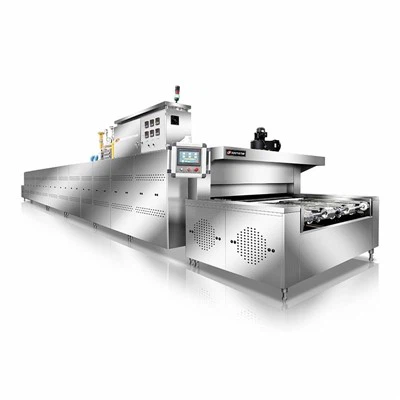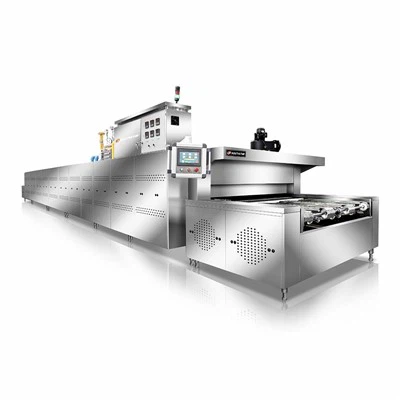


As a supplier of Hot Air Convection Ovens, I'm often asked about the diverse range of culinary creations these remarkable appliances can handle. One common query that frequently pops up is, "Can I use a hot air convection oven to make stuffed peppers?" The answer is a resounding yes! In this blog, I'll delve into the science behind using a Hot Air Convection Oven for this classic dish, share some tips and tricks, and explore why it might be your best choice in the kitchen.
Understanding the Hot Air Convection Oven
Before we jump into stuffed peppers, it's essential to understand what makes a hot air convection oven tick. Unlike traditional ovens that rely solely on radiant heat from the top and bottom elements, a hot air convection oven circulates heated air within the cavity. This is typically achieved through a fan located at the back of the oven, which propels the hot air around the food.
The benefits of this circulation are numerous. First, it ensures even cooking. The constant movement of hot air eliminates hot spots and cold spots, meaning that every part of your food receives the same amount of heat. This is particularly important when cooking multiple items at once or dishes with varying thicknesses, like stuffed peppers. Second, convection ovens generally cook food faster. The increased airflow speeds up the transfer of heat to the food, reducing cooking times by up to 25%. Finally, the circulating air helps to create a crispy exterior while keeping the interior moist, a perfect combination for many dishes, including our stuffed peppers.
Making Stuffed Peppers in a Hot Air Convection Oven
Now, let's get to the heart of the matter: making stuffed peppers in a hot air convection oven. The process is quite similar to using a traditional oven, but with a few key differences.
Preparing the Peppers: Start by choosing your peppers. Bell peppers are a popular choice because of their sweet flavor and large, hollow interior, but you can use other varieties like Anaheim or poblano peppers if you prefer a bit of a kick. Wash the peppers and cut off the tops. Remove the seeds and membranes from the inside to create a cavity for the stuffing.
Preparing the Stuffing: The stuffing for stuffed peppers can vary widely depending on your taste preferences. A classic stuffing might include a combination of cooked rice, ground meat (such as beef, pork, or turkey), onions, garlic, tomatoes, and cheese. You can also add vegetables like carrots, zucchini, or mushrooms for extra nutrition and flavor. Cook the ingredients on the stovetop until they are tender and well - combined.
Stuffing the Peppers: Once the stuffing is ready, spoon it into the prepared peppers. Fill them up to the top, but don't overstuff them, as the filling may expand during cooking. Place the stuffed peppers in a baking dish that is suitable for use in a convection oven.
Cooking in the Convection Oven: Preheat your Hot Air Convection Oven to a temperature of around 375°F (190°C). Since convection ovens cook food faster, you may need to reduce the temperature by about 25°F (15°C) compared to a traditional oven recipe. Place the baking dish with the stuffed peppers in the middle rack of the oven. The circulating hot air will ensure that the peppers cook evenly from all sides, and the filling will be heated through thoroughly.
Checking for Doneness: Cooking times can vary depending on the size of the peppers and the type of filling, but generally, stuffed peppers will take about 30 - 40 minutes in a convection oven. To check if they are done, insert a fork into the thickest part of the pepper. If it goes in easily and the pepper is tender, they are ready. The cheese on top should be melted and bubbly, adding a delicious finishing touch.
Advantages of Using a Convection Oven for Stuffed Peppers
There are several reasons why a hot air convection oven is an excellent choice for making stuffed peppers.
Even Cooking: As mentioned earlier, the circulating air in a convection oven ensures that all parts of the stuffed peppers receive equal heat. This means that the peppers will be cooked evenly throughout, from the thickest part near the stem to the thinner edges. The filling will also heat up uniformly, preventing any cold spots in the middle.
Faster Cooking: With the ability to reduce cooking times, a convection oven is a great option for those who are short on time. You can have a delicious batch of stuffed peppers on the table in no time, perfect for a weeknight dinner or a quick meal for unexpected guests.
Enhanced Flavor and Texture: The circulating hot air helps to create a slightly crispy exterior on the peppers, while keeping the interior soft and tender. The filling also tends to develop a richer flavor, as the convection process helps to intensify the taste of the ingredients.
Other Convection Oven Options
In addition to our standard Hot Air Convection Oven, we also offer other convection oven models that might be suitable for different culinary needs.
The Used Gas Convection Oven is a great option for those who prefer the even heat distribution that gas provides. Gas ovens can often reach higher temperatures more quickly, which can be beneficial for certain types of cooking. They are also a popular choice in commercial kitchens, where high - volume cooking is required.
If you're looking for a more unique cooking experience, our Rotary Convection Oven might be the right fit. This type of oven features a rotating rack, which ensures that every piece of food receives the same amount of heat. It's perfect for cooking multiple items at once, such as a large batch of stuffed peppers or other small dishes.
Conclusion
In conclusion, a hot air convection oven is an excellent tool for making stuffed peppers. Its ability to provide even cooking, reduce cooking times, and enhance flavor and texture makes it a top choice in the kitchen. Whether you're a home cook looking to whip up a delicious meal or a professional chef in a busy kitchen, our range of convection ovens, including the Hot Air Convection Oven, Used Gas Convection Oven, and Rotary Convection Oven, can meet your needs.


If you're interested in learning more about our products or are considering a purchase, we encourage you to reach out for a price quote and to discuss your specific requirements. Our team of experts is always available to provide guidance and support to help you make the best decision for your culinary ventures.
References
- "The Science of Cooking: Understanding the Basics", by Harold McGee.
- "Convection Oven Cooking: Tips and Tricks", Cook's Illustrated magazine.