

What is the difference in taste between food cooked in a Rotary Convection Oven and a regular oven?
As a provider of high - quality Rotary Convection Oven, I've witnessed the transformative power of this innovative kitchen appliance. One of the most common questions I receive from customers, chefs, and cooking enthusiasts is about the difference in taste between food cooked in a Rotary Convection Oven and a regular oven. In this blog post, I'll explore the unique features of these two types of ovens and how they impact the taste of your favorite dishes.
Understanding the Basics: Regular Ovens
A regular oven, also known as a conventional oven, operates primarily through radiation and natural convection. When you turn on a regular oven, the heating elements at the top and bottom emit radiant heat. This heat warms the air inside the oven, and as the hot air rises and cooler air sinks, it creates a natural form of convection. However, this natural convection is relatively slow and uneven, resulting in varying temperature zones within the oven cavity.
When cooking in a regular oven, the outer parts of the food are more directly exposed to the radiant heat from the elements. This can lead to a quicker browning on the surface, while the interior may take longer to cook through. As a result, there's a risk of over - browning the outside before the inside is fully cooked, especially for larger or denser foods.
Traditional baking items like cakes and cookies often benefit from the gentle, even heat distribution of a regular oven to some extent. The slower rise and fall of the natural convection allow for a more gradual expansion of air bubbles in the batter, which can contribute to a delicate crumb structure. However, achieving consistent results across multiple baking trays can be a challenge, as the top rack may receive more direct heat and cook faster than the bottom rack.
The Advantages of Rotary Convection Ovens
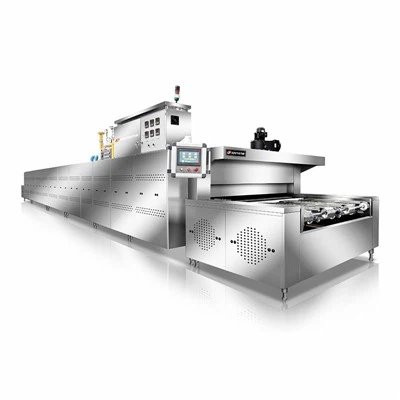
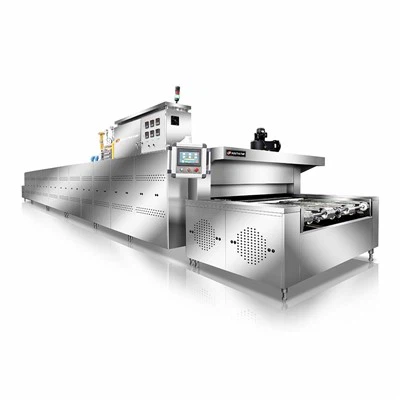
A Rotary Convection Oven takes the concept of convection to a whole new level. It features a built - in fan that circulates hot air rapidly and evenly throughout the oven cavity. Additionally, the rotary function rotates the food or the cooking racks, ensuring that every part of the food is exposed to the same amount of heat.
The rapid circulation of hot air in a Rotary Convection Oven significantly reduces cooking times. The even heat distribution means that the food cooks more uniformly from the inside out. This results in a more consistent texture and flavor throughout the dish. For example, when roasting a chicken, a regular oven may leave the breast meat dry and overcooked while the thighs are still undercooked. In a Rotary Convection Oven, the entire chicken cooks evenly, resulting in juicy, tender meat with a crispy, golden - brown skin.
Another benefit of the Rotary Convection Oven is its ability to enhance the Maillard reaction. The Maillard reaction is a chemical reaction between amino acids and reducing sugars that occurs when food is heated. It is responsible for the delicious brown color and complex flavors in cooked foods, such as the crust on bread, the sear on a steak, or the caramelization on vegetables. The rapid and even heat in a Rotary Convection Oven promotes a more intense Maillard reaction, giving the food a deeper, richer flavor.
Taste Comparison in Specific Dishes
Baked Goods
In a regular oven, bread may have a slightly uneven crust, with some areas being thicker and darker than others. The interior may also have a less consistent texture, with pockets of denser or drier dough. On the other hand, bread baked in a Rotary Convection Oven has a uniformly golden - brown crust that is both crispy and chewy. The interior is light and airy, with a more consistent crumb structure. The enhanced Maillard reaction also gives the bread a more complex and delicious flavor.


Cookies baked in a regular oven can vary in size and shape, and the edges may be over - cooked while the centers are still soft. In a Rotary Convection Oven, cookies bake evenly, resulting in a uniform size, shape, and texture. The cookies have a crispy exterior and a soft, chewy interior, with a more intense flavor due to the accelerated Maillard reaction.
Roasted Meats
When roasting a roast beef in a regular oven, the outer layer may become tough and dry, while the center may not be cooked to the desired doneness. The uneven heat distribution can also lead to a lack of flavor development in some parts of the meat. In a Rotary Convection Oven, the roast beef cooks evenly, resulting in a tender, juicy interior with a flavorful, caramelized crust. The rapid circulation of hot air helps to seal in the juices, making the meat more succulent.
Chicken roasted in a regular oven may have unevenly cooked parts, with the wings and drumsticks being over - cooked while the breast is undercooked. A Rotary Convection Oven ensures that the entire chicken is cooked to perfection, with a crispy skin and moist, flavorful meat. The rotation feature also allows for a more consistent browning on all sides of the chicken.
Vegetables
Vegetables roasted in a regular oven may have a patchy appearance, with some pieces being charred while others are undercooked. The slow and uneven heat can also cause the vegetables to lose their natural moisture and flavor. In a Rotary Convection Oven, vegetables roast evenly, resulting in a caramelized exterior and a tender, flavorful interior. The rapid circulation of hot air helps to preserve the nutrients and natural flavors of the vegetables, making them more appealing to the taste buds.
Other Related Convection Ovens
In addition to Rotary Convection Ovens, there are other types of convection ovens available in the market. The Hot Air Convection Oven is similar to the Rotary Convection Oven in that it uses a fan to circulate hot air. However, it does not have the rotary function. It still offers faster and more even cooking compared to regular ovens, but the lack of rotation may result in slightly less uniform cooking in some cases.
The Convection Oven with Steam Function combines the benefits of convection cooking with the addition of steam. The steam helps to keep the food moist during the cooking process, preventing it from drying out. This is particularly useful for baking bread, as it can create a crispy crust while maintaining a soft, moist interior. It can also be used for roasting vegetables and meats to enhance their flavor and texture.
Conclusion and Call to Action
In conclusion, the difference in taste between food cooked in a Rotary Convection Oven and a regular oven is significant. The Rotary Convection Oven offers faster, more even cooking, enhanced flavor development through the Maillard reaction, and a more consistent texture throughout the dish. Whether you're a professional chef looking to elevate your culinary creations or a home cook who wants to impress your family and friends, a Rotary Convection Oven is a valuable investment.
If you're interested in learning more about our Rotary Convection Ovens or other convection oven options, we encourage you to contact us for a purchase consultation. Our team of experts is always ready to help you choose the right oven for your specific needs and provide you with the best cooking solutions. Let us help you take your cooking to the next level!
References
- "The Science of Cooking" by Peter Barham
- "On Food and Cooking: The Science and Lore of the Kitchen" by Harold McGee
- Various industry reports and research on convection oven technology