

Hey there! As a supplier of dough proofers, I've gotten tons of questions from bakers, both pros and home enthusiasts, about whether dough proofers need professional installation. Today, I'm gonna break this down for you and share all you need to know.
Let's first understand what a dough proofer does. It's a specialized piece of equipment that creates the perfect environment for dough to rise. Temperature and humidity control are super important in this process, and a good dough proofer can maintain just the right conditions to ensure your dough ferments as it should. Different doughs, like those for bread, pizza, or pastries, have different requirements for proofing, and a quality dough proofer can meet these needs.
Now, back to the main question: do they need professional installation? Well, it depends. There are a couple of factors to think about.
Size and Complexity
One of the big things that determine if you'll need a pro for installation is the size and complexity of the dough proofer. Smaller dough proofers, the ones you might use at home or in a small bakery, are usually pretty straightforward to set up. These compact models often come with detailed instructions, and if you're handy with tools and a bit tech - savvy, you can probably install them on your own.
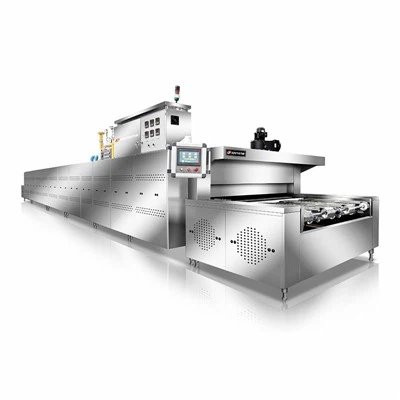
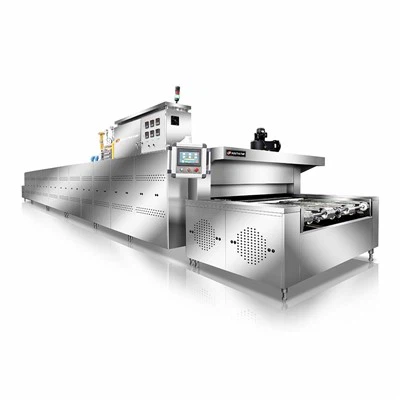
On the other hand, larger commercial dough proofers are a whole different ballgame. These bad boys, like the Main Frame Of Fermenting Room, are gigantic and have complex systems for temperature, humidity, and ventilation control. They often need to be connected to specialized electrical and plumbing systems. For example, some high - end commercial proofers need a dedicated electrical circuit to handle their power requirements. If you try to install this kind of equipment without professional help, you could end up making mistakes that affect its performance or even pose safety risks.
Customization and Integration
Many commercial bakeries and restaurants have specific needs and setups. Sometimes, they want their dough proofer to be integrated into an existing kitchen layout or production line. In these cases, professional installation is almost a must. A pro installer can make sure the dough proofer fits perfectly into the space and works well with other equipment.
Take the Commercial Retarder Proofer, for instance. This type of proofer can both proof and retard the dough, and it may need to be connected to a larger refrigeration system in a commercial kitchen. A professional installer will know how to connect it properly, ensuring that there are no leaks or compatibility issues.
Safety and Warranty
Safety is another major concern. Dough proofers use electricity, and in some cases, water for humidity control. Incorrect installation can lead to electrical problems, like short circuits, or water leaks that can damage the equipment and the surrounding area. Professional installers are trained to follow all safety codes and regulations, reducing the risk of accidents.
Also, most dough proofer manufacturers require professional installation to keep the warranty valid. If you try to install the equipment yourself and something goes wrong, the manufacturer may not cover the repairs. So, it's a good idea to check the warranty terms before you decide to install the dough proofer on your own.
Training and Technical Support
When a professional installs your dough proofer, they can also provide you with valuable training. They'll show you how to operate the equipment, adjust the settings for different types of dough, and perform basic maintenance. This hands - on training can be really helpful, especially if you're new to using a dough proofer.
In addition, professional installers usually have access to technical support from the manufacturer. If there are any problems during the installation or later on, they can quickly get in touch with the experts to find a solution.
DIY Installation: Is It Worth It?
If you're considering a DIY installation for a small dough proofer, you need to weigh the pros and cons. The main advantage is cost - you'll save money on installation fees. However, you need to be confident in your skills. If you make a mistake during installation, it could cost you more in the long run to fix it. And as I mentioned earlier, you might void the warranty.
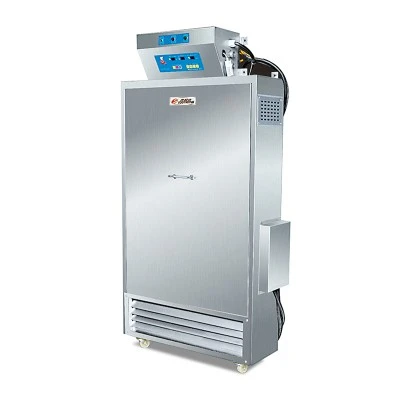
For example, a 30 Trays Double Door Proofer is a mid - sized proofer that some people might think they can install on their own. While it's not as complex as a large commercial model, it still requires careful setup. You need to ensure proper ventilation, electrical connections, and leveling. A small error could lead to uneven proofing or premature equipment failure.

Making the Right Decision
So, how do you decide whether to go for professional installation or do it yourself? Start by assessing your own skills and comfort level with installation tasks. If you've got experience with installing kitchen appliances and are familiar with electrical and plumbing basics, you might be able to handle a smaller dough proofer installation.
But for larger, more complex models, it's almost always a good idea to hire a professional. Consider the long - term benefits, like safety, proper performance, and warranty protection. And remember, professional installation can save you headaches down the road.
Conclusion
In the end, whether dough proofers require professional installation depends on several factors. Small, simple models might be installable on your own if you're confident in your abilities. But for commercial - grade and complex dough proofers, professional installation is usually the way to go.
If you're in the market for a dough proofer and still have questions or need more advice on installation, feel free to reach out. We're here to help you make the best decision for your baking needs and ensure that you get the most out of your equipment. Whether you're a big - time baker or just starting out at home, we've got the perfect dough proofer for you. Let's start a conversation and see how we can help you take your baking to the next level!
References
- General knowledge about dough proofers from years of experience in the industry.
- Manufacturer guidelines and documentation for various dough proofer models.