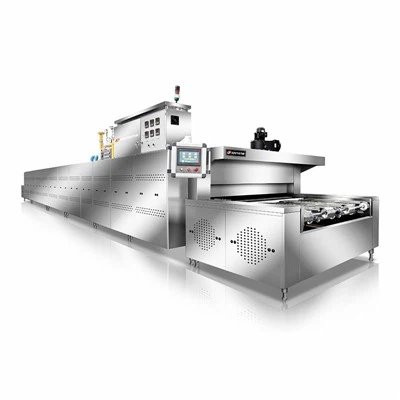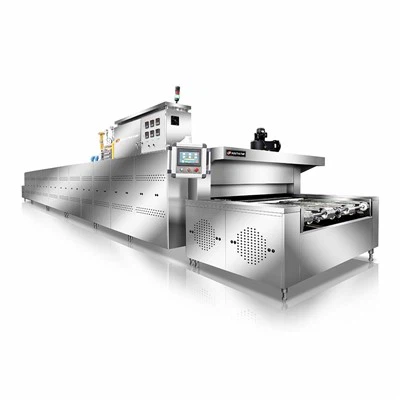


How long a dough moulder usually lasts is a question that concerns many bakers and bakery business owners. As a dough moulder supplier, I've encountered numerous customers asking about the lifespan of these essential bakery machines. In this blog, I'll delve into the factors that influence the longevity of a dough moulder and provide some insights to help you make the most of your investment.
Understanding the Basics of Dough Molders
Before discussing the lifespan, it's important to understand what a dough moulder does. A dough moulder is a crucial piece of equipment in a bakery. It takes the dough pieces and shapes them into the desired forms, such as loaves for bread or rolls. There are different types of dough molders available in the market, including Commercial Use Toast Moulder, Bread Toast Moulder, and 380mm Toast Moulder. Each type is designed to meet specific baking needs and production volumes.
Factors Affecting the Lifespan of a Dough Moulder
Quality of Construction
The build quality of a dough moulder is one of the most significant factors determining its lifespan. High - quality dough molders are constructed using durable materials such as stainless steel for the frame and food - grade plastics or rubber for the contact parts. These materials are resistant to corrosion, wear, and tear. For example, a well - built dough moulder with a solid stainless - steel frame can withstand the rigors of daily use in a busy bakery. On the other hand, a low - quality machine made from inferior materials may start to show signs of damage after just a few months of use.
Frequency of Use
The more frequently a dough moulder is used, the shorter its lifespan is likely to be. In a large commercial bakery that operates 24/7, the dough moulder is under constant stress. The continuous movement of parts, the pressure applied to the dough, and the heat generated during operation all contribute to wear and tear. In contrast, a small artisanal bakery that uses the dough moulder a few times a week may find that the machine lasts much longer.
Maintenance and Care
Proper maintenance is essential for extending the lifespan of a dough moulder. Regular cleaning is crucial to prevent the buildup of dough residues, which can cause the machine to malfunction. After each use, the dough moulder should be thoroughly cleaned, and all removable parts should be washed and dried. Lubrication of moving parts is also necessary to reduce friction and prevent premature wear. Additionally, regular inspections by a qualified technician can help identify and address potential problems before they become major issues.
Operating Conditions
The environment in which the dough moulder operates can also affect its lifespan. A bakery with high humidity levels can cause corrosion of metal parts, especially if the machine is not properly protected. Similarly, a dusty or dirty environment can lead to the accumulation of debris in the machine's mechanisms, causing them to jam or wear out more quickly. It's important to place the dough moulder in a clean, dry, and well - ventilated area.
Typical Lifespan of a Dough Moulder
On average, a well - maintained dough moulder can last anywhere from 5 to 15 years. A high - quality commercial dough moulder used in a moderately busy bakery with proper maintenance can last up to 10 - 15 years. However, a lower - quality machine or one that is subjected to heavy use without proper care may only last 5 years or less.
In a small bakery with limited production, a dough moulder can serve for a longer period. For instance, if the bakery produces bread a few times a week, the machine may still be in good working condition after 15 years. In contrast, a large - scale industrial bakery that runs multiple shifts every day may need to replace its dough moulder every 5 - 7 years.
Extending the Lifespan of Your Dough Moulder
To get the most out of your dough moulder, here are some tips for extending its lifespan:
Follow the Manufacturer's Instructions
The manufacturer provides detailed instructions on how to operate, clean, and maintain the dough moulder. Following these instructions carefully is essential for ensuring the machine's longevity. For example, the instructions will specify the correct lubricants to use and the recommended cleaning agents.
Train Your Staff
Proper training of bakery staff on how to use the dough moulder is crucial. Incorrect operation, such as overloading the machine or using it with the wrong settings, can cause significant damage. Make sure all employees are trained on the safe and proper use of the dough moulder.
Keep Spare Parts on Hand
Having a stock of essential spare parts can help minimize downtime in case of a breakdown. Common spare parts include belts, bearings, and seals. By replacing a worn - out part promptly, you can prevent further damage to the machine.


Conclusion
The lifespan of a dough moulder depends on several factors, including the quality of construction, frequency of use, maintenance, and operating conditions. As a dough moulder supplier, I understand the importance of providing high - quality machines and offering support to our customers. A well - maintained dough moulder can be a long - term investment for your bakery, helping you produce consistent and high - quality baked goods.
If you're in the market for a new dough moulder or need advice on maintaining your existing one, we're here to help. Contact us to discuss your specific needs and explore the options available. We can provide you with detailed information on our range of dough molders, including Commercial Use Toast Moulder, Bread Toast Moulder, and 380mm Toast Moulder. Let's work together to ensure your bakery's success.
References
- "Bakery Equipment Maintenance Guide" - Industry - specific publication on bakery equipment upkeep.
- Manufacturer's manuals for various dough molders.
- Interviews with experienced bakers and bakery technicians.