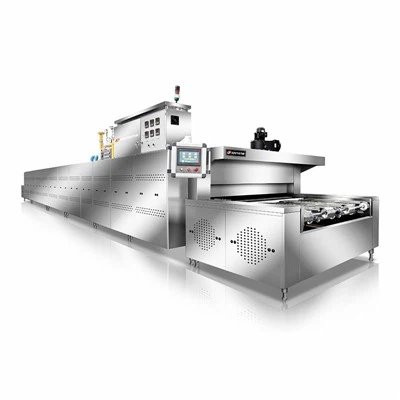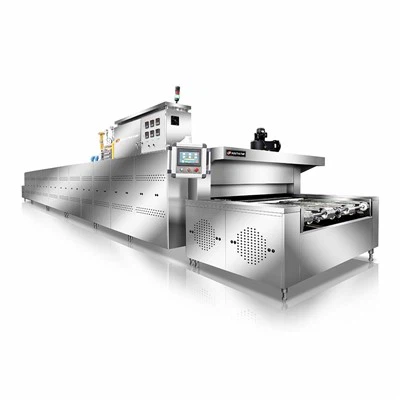


Adjusting the proofing time in a dough proofer is a crucial skill for both professional bakers and home enthusiasts. As a supplier of top - notch dough proofers, including Commercial Retarder Proofer, Mini Proofer, and Electric Bread Proofer, we understand the importance of getting the proofing time just right. In this blog, we'll explore various factors that affect proofing time and provide practical tips on how to adjust it effectively.


Understanding the Proofing Process
Before delving into adjusting proofing time, it's essential to understand what proofing is. Proofing is the final rise of the dough before baking. During this stage, yeast in the dough ferments the sugars, producing carbon dioxide gas. This gas gets trapped in the gluten network of the dough, causing it to expand and become light and airy.
The ideal proofing time is influenced by multiple factors. These include the type of dough, the amount and type of yeast used, the temperature and humidity inside the proofer, and even the altitude of your location.
Factors Affecting Proofing Time
Type of Dough
Different doughs have different proofing requirements. For example, a lean dough, which contains only flour, water, yeast, and salt, generally proofs faster. This is because there are fewer ingredients to slow down the fermentation process. On the other hand, a rich dough that includes ingredients like butter, eggs, and sugar takes longer to proof. The fats in butter coat the gluten strands and the sugar competes with the yeast for moisture, both of which slow down fermentation.
Yeast Quantity and Type
The more yeast you add to the dough, the faster it will proof. However, using too much yeast can result in a dough with a yeasty flavor and a coarse texture. There are also different types of yeast, such as active dry yeast, instant yeast, and fresh yeast. Fresh yeast is the most active and will cause the dough to proof more quickly compared to active dry or instant yeast.
Temperature and Humidity
Temperature is one of the most significant factors affecting proofing time. Yeast is most active in a warm environment, typically between 75°F - 85°F (24°C - 29°C). At lower temperatures, the yeast activity slows down, increasing the proofing time, while at higher temperatures, the yeast can become over - active, causing the dough to rise too quickly and then collapse.
Humidity also plays a role. A high - humidity environment helps prevent the dough's surface from drying out during proofing. If the humidity is too low, the dough can form a crust, which restricts its expansion.
Altitude
At higher altitudes, the air pressure is lower. This causes the carbon dioxide gas produced by the yeast to expand more rapidly, which can lead to a faster proofing time. Bakers at high altitudes may need to adjust their proofing times accordingly.
How to Adjust Proofing Time
Based on Dough Type
If you're working with a lean dough, start with a shorter proofing time. For example, a simple white bread dough might only need 1 - 1.5 hours to proof at a temperature of around 80°F (27°C). In contrast, a rich dough like a brioche may require 2 - 3 hours or even longer. Keep a close eye on the dough's volume; it should roughly double in size during proofing.
Based on Yeast
When using fresh yeast, you can reduce the proofing time slightly because it's more active. If you switch from active dry yeast to a more potent instant yeast, you may also need to cut down on the proofing time. If you've used less yeast than the recipe calls for, you'll need to increase the proofing time.
Based on Temperature
If the temperature inside your dough proofer is lower than the ideal range, you'll need to extend the proofing time. For every 10°F (5.6°C) drop in temperature, you can expect the proofing time to approximately double. Conversely, if the temperature is higher, you'll need to reduce the proofing time to avoid over - proofing.
To adjust the temperature in your dough proofer, most modern proofers come with temperature controls. You can set the desired temperature according to the type of dough you're working with.
Based on Humidity
If the humidity in your proofer is too low, the dough may not rise properly, and the surface may dry out. You can increase the humidity by placing a pan of water inside the proofer. This will help create a more suitable environment for the dough to proof. If the humidity is too high, it can lead to a sticky and uneven dough. In such cases, you can open the proofer door slightly for a short period to let some moisture escape.
Based on Altitude
If you're baking at a high altitude, start with a shorter proofing time. You may also need to adjust other factors, such as the amount of yeast or water, as the low air pressure can cause the dough to rise and dry out more quickly.
Tips for Effective Proofing Time Adjustment
- Keep a Log: Maintain a baking journal where you record the type of dough, the amount of yeast used, the temperature and humidity settings in the proofer, and the proofing time. This will help you understand how different factors interact and enable you to make more accurate adjustments in the future.
- Use Visual and Tactile Cues: In addition to relying on the clock, pay attention to how the dough looks and feels. A properly proofed dough should be light and springy when gently pressed with a finger. The indentation should slowly fill back in.
- Test the Dough Early: If you're unsure about the proofing time, you can start checking the dough a little earlier than the expected time. This way, you can catch any over - or under - proofing early and make adjustments.
Conclusion
Adjusting the proofing time in a dough proofer is a combination of science and art. By understanding the factors that affect proofing time and using the tips provided, you can ensure that your dough rises to perfection. Whether you're using our Commercial Retarder Proofer for a large - scale bakery or a Mini Proofer for home use, getting the proofing time right is the key to delicious, fluffy bread and pastries.
If you're interested in purchasing a high - quality dough proofer or have any questions about proofing time adjustment, we'd love to hear from you. Reach out to us for a detailed discussion on which dough proofer would best suit your needs and for purchasing options.
References
- Pyler, Elmer J. "Baking Science and Technology." Sosland Publishing Company, 1988.
- Reinhart, Peter. "The Bread Baker's Apprentice: Mastering the Art of Extraordinary Bread." Ten Speed Press, 2001.