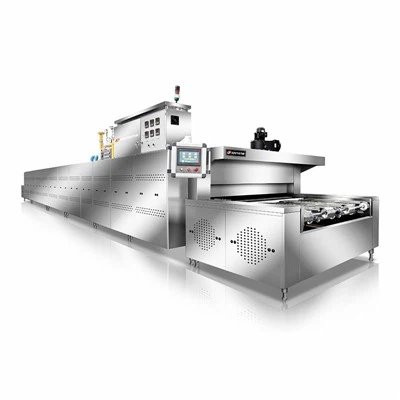


Hey there! As a supplier of commercial convection ovens, I've seen firsthand how these bad boys can transform a commercial kitchen. Whether you're running a bustling bakery, a high - end restaurant, or a small catering business, a commercial convection oven is a game - changer. But before you can start whipping up delicious treats, you've got to know how to install one properly. In this blog, I'll walk you through the whole process, step by step.
Pre - installation Checks
First things first, you need to do some pre - installation checks. This is super important to make sure everything goes smoothly and your oven works great for years to come.
Location
Pick the right spot for your oven. It should be on a flat, stable surface that can handle the weight of the oven. You don't want it wobbling around. Also, make sure there's enough space around it for proper ventilation. Convection ovens generate a lot of heat, and they need to be able to breathe. Leave at least a few inches of clearance on all sides.
Power Source
Check the power requirements of your oven. If it's an electric oven, make sure your electrical system can handle the load. You might need to have a dedicated circuit installed by a professional electrician. For gas ovens, ensure that your gas line is in good condition and has the right pressure. You don't want any gas leaks, that's a huge safety hazard.
Ventilation
Good ventilation is key. A commercial convection oven expels hot air and moisture, and if it can't get rid of them properly, it can cause problems. You may need to install a vent hood or connect the oven to an existing ventilation system. This will keep your kitchen cool and prevent the build - up of steam and odors.
Installation Steps
Unpacking
Once you've got all the pre - installation stuff sorted, it's time to unpack your oven. Be careful when you're taking it out of the box. Check for any damage during shipping. If you notice anything wrong, contact the shipping company and us right away.
Assembly
Some commercial convection ovens come partially assembled, while others need a bit more work. Read the instruction manual carefully. It'll tell you exactly how to put the racks, shelves, and any other accessories in place. Usually, it's not too complicated, but it's important to follow the steps correctly.
Positioning
Carefully move the oven to its designated location. If it's a heavy unit, you might need a couple of extra hands. Make sure it's level. You can use a spirit level to check. An unlevel oven can cause uneven cooking and might even damage the oven over time.
Electrical or Gas Connection
If you're installing an electric oven, connect it to the power source according to the manufacturer's instructions. This usually involves plugging it into a dedicated outlet or hard - wiring it. For gas ovens, you'll need to connect the gas line. This is a job for a professional gas fitter. They'll make sure the connection is tight and there are no leaks.
Testing
Once everything is connected, it's time to test the oven. Turn it on and let it run for a short period. Check the temperature settings and make sure the fan is working properly. Listen for any strange noises, and keep an eye out for any signs of problems. If everything seems okay, you're good to go!
Types of Commercial Convection Ovens
There are different types of commercial convection ovens, and each might have a slightly different installation process.
Used Electric Convection Oven
These are a popular choice for many commercial kitchens. They're relatively easy to install as long as you have the right electrical setup. The main thing is to make sure the electrical connection is secure and the oven is grounded properly.
Used Gas Convection Oven
Gas ovens offer quick heating and precise temperature control. But the installation is a bit more complex because of the gas connection. Always hire a professional gas fitter to do this part of the job.


Hot Air Convection Oven
These ovens use hot air circulation to cook food evenly. They're great for baking, roasting, and more. The installation process is similar to other convection ovens, but you might need to pay extra attention to the ventilation system since they generate a lot of hot air.
Maintenance Tips
After you've installed your commercial convection oven, it's important to keep it in good condition. Here are some maintenance tips:
- Clean Regularly: Wipe down the interior and exterior of the oven regularly. Remove any food debris and spills. This will prevent the build - up of grease and bacteria.
- Check the Seals: Make sure the door seals are in good condition. A damaged seal can cause heat to escape, which means your oven will have to work harder and use more energy.
- Replace Filters: If your oven has filters, replace them according to the manufacturer's recommendations. This will help keep the ventilation system working properly.
Why Choose Our Commercial Convection Ovens
We're not just any supplier. Our commercial convection ovens are top - notch. They're made with high - quality materials, and they're designed to last. We offer a wide range of models to suit different needs and budgets. Whether you're looking for a small countertop oven or a large floor - standing unit, we've got you covered.
Our customer service team is always here to help. If you have any questions about installation, maintenance, or anything else, just give us a shout. We'll do our best to get you the answers you need.
Contact Us for Purchase and Installation
If you're interested in buying a commercial convection oven from us, we'd love to hear from you. We can provide you with detailed product information, pricing, and even help you with the installation process. Whether you're a new business just starting out or an established kitchen looking to upgrade, we can find the perfect oven for you.
Just reach out to us, and we'll start the conversation. We're excited to help you take your cooking to the next level with our amazing commercial convection ovens.
References
- Manufacturer's Installation Manuals
- Industry Standards for Commercial Kitchen Equipment Installation