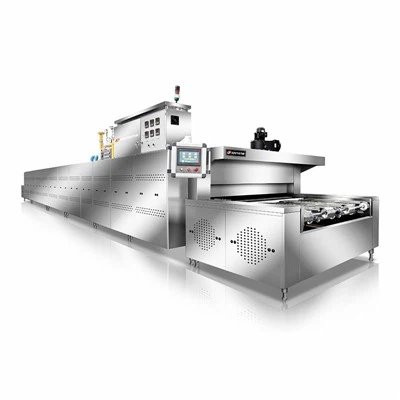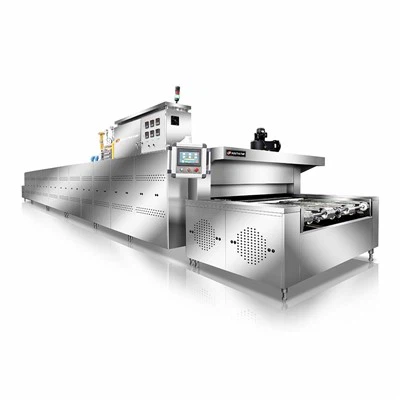


Hey there! As a supplier of tunnel ovens, I've seen firsthand how crucial it is to keep the conveyor in a tunnel oven stable. A wobbly or inconsistent conveyor can mess up the baking process big time, leading to unevenly cooked products and a whole lot of headaches. So, in this blog, I'm gonna share some tips on how to ensure the stability of the conveyor in a tunnel oven.
1. Proper Installation
First things first, the installation of the conveyor is super important. When we install a tunnel oven, we make sure the conveyor is set up on a flat and level surface. Any unevenness in the floor can cause the conveyor to tilt or shake as it moves. We use laser levels and other precision tools to ensure that the base of the oven and the conveyor are perfectly aligned.
Also, the conveyor needs to be properly tensioned. If it's too loose, it can sag and cause the products to bunch up or fall off. On the other hand, if it's too tight, it can put extra stress on the motor and other components, leading to premature wear and tear. We follow the manufacturer's guidelines to set the right tension for the conveyor belt.
2. Regular Maintenance
Just like any other piece of equipment, the conveyor in a tunnel oven needs regular maintenance. This includes cleaning, lubrication, and inspection.
Cleaning is essential to remove any debris, flour, or other residues that can build up on the conveyor belt. Over time, these deposits can cause the belt to slip or create an uneven surface for the products. We recommend using a mild detergent and a soft brush to clean the belt regularly. Make sure to dry it thoroughly before using the oven again.
Lubrication is another key aspect of maintenance. The moving parts of the conveyor, such as the rollers and bearings, need to be lubricated to reduce friction and prevent wear. We use high - quality lubricants that are suitable for the high - temperature environment inside the tunnel oven. But be careful not to over - lubricate, as excess lubricant can attract dirt and cause more problems.
Inspection is also crucial. We check the conveyor belt for signs of wear, such as cracks, fraying, or stretching. We also inspect the rollers, bearings, and other components for any damage or misalignment. If we find any issues, we replace the damaged parts immediately to prevent further problems.
3. Quality Components
Using high - quality components is a no - brainer when it comes to ensuring the stability of the conveyor. At our company, we source the best conveyor belts, rollers, bearings, and motors for our tunnel ovens.
A good conveyor belt is made of durable materials that can withstand the high temperatures and constant movement inside the oven. It should also have a smooth surface to ensure that the products move evenly. We offer different types of conveyor belts, such as mesh belts and solid belts, depending on the specific needs of our customers.
The rollers and bearings need to be of high quality as well. They should be able to rotate smoothly and support the weight of the conveyor belt and the products. We choose rollers and bearings that are designed for high - temperature applications and have a long service life.
The motor is the heart of the conveyor system. A powerful and reliable motor is essential to keep the conveyor moving at a consistent speed. We use motors that are energy - efficient and have a high torque output to handle the load of the conveyor.
4. Temperature and Humidity Control
The temperature and humidity inside the tunnel oven can have a big impact on the stability of the conveyor. High temperatures can cause the conveyor belt to expand, while low temperatures can make it contract. This can lead to changes in tension and cause the belt to slip or misalign.
We design our tunnel ovens with advanced temperature control systems to maintain a consistent temperature throughout the baking process. This helps to minimize the effects of temperature changes on the conveyor belt.
Humidity is also important. Excessive humidity can cause the conveyor belt to become sticky, which can affect the movement of the products. We use ventilation systems to control the humidity inside the oven and keep the conveyor belt dry.
5. Operator Training
Even with the best equipment and maintenance, the stability of the conveyor can still be affected by how it's operated. That's why we provide comprehensive operator training to our customers.
We teach the operators how to start and stop the conveyor properly, how to adjust the speed and tension, and how to troubleshoot common problems. We also emphasize the importance of following the safety procedures when working with the tunnel oven.
A well - trained operator can spot potential issues early and take the necessary steps to prevent them from becoming major problems. They can also ensure that the conveyor is used in the most efficient and effective way possible.
Our Tunnel Oven Offerings
We offer a wide range of tunnel ovens to meet the diverse needs of our customers. If you're in the bread - baking business, check out our Tunnel Oven for Bread. It's designed specifically for baking bread and other baked goods, with a stable conveyor system that ensures even baking.
For those who prefer gas - powered ovens, our Gas Tunnel Oven is a great choice. It provides efficient and consistent heat, and the conveyor is built to last.
If electricity is your preferred energy source, our Electric Tunnel Oven is a reliable option. It offers precise temperature control and a stable conveyor for high - quality baking.
If you're interested in learning more about our tunnel ovens or have any questions about ensuring the stability of the conveyor, don't hesitate to reach out. We're here to help you make the right choice for your business and ensure that your baking process runs smoothly.


References
- "Industrial Oven Handbook" - A comprehensive guide on the operation and maintenance of industrial ovens, including tunnel ovens.
- Manufacturer's manuals for conveyor belts, rollers, bearings, and motors used in tunnel ovens.