

Preventing dough from sticking in a dough proofer is a crucial aspect of efficient and high - quality bread and pastry production. As a dough proofer supplier, I've seen firsthand the challenges that bakers face when dealing with sticky dough during the proofing process. In this blog, I'll share some effective strategies to help you keep your dough from sticking in the dough proofer.
Understanding the Problem of Sticky Dough in a Proofer
Before delving into the solutions, it's essential to understand why dough sticks in the first place. The proofing environment is characterized by warm and humid conditions, which are ideal for yeast fermentation but can also contribute to dough sticking. The combination of moisture, the stickiness of the dough itself, and the interaction with the proofer's surfaces can lead to problems.
Excessive moisture in the dough can be a major factor. If the dough has a high water content or if the proofer's humidity is too high, the dough will be more likely to spread and adhere to surfaces. Additionally, certain types of flours, such as those with high gluten content, can be stickier. The surface of the proofing containers or trays also plays a role. If they are not properly prepared or if they have rough or porous areas, the dough is more likely to stick.
Choosing the Right Dough Proofer
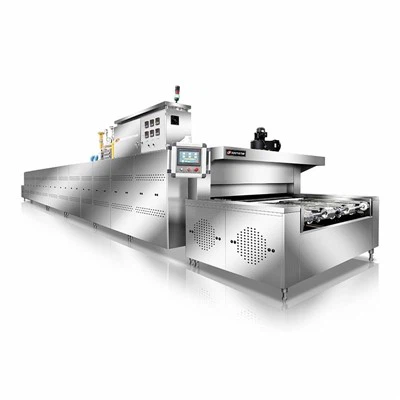
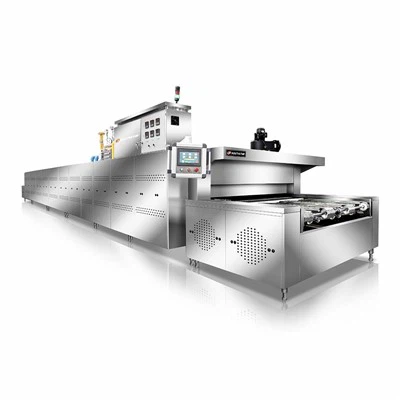
The type of dough proofer you choose can significantly impact whether the dough sticks or not. We offer a variety of dough proofers, including the Industrial Bread Proofer Room for large - scale production, the Mini Proofer for small - scale or home use, and the 15 Trays Single Door Proofer.
When selecting a dough proofer, consider its humidity and temperature control capabilities. A proofer with precise control allows you to create the optimal environment for proofing without excessive moisture. For example, our industrial bread proofer room is equipped with advanced humidity and temperature sensors that ensure a stable and consistent proofing environment. This helps to prevent the dough from becoming too moist and sticky.
Preparing the Dough
Proper dough preparation is the first step in preventing sticking. Start by adjusting the dough's moisture content. You may need to experiment with different flour - to - water ratios based on the type of bread or pastry you're making. For instance, breads with a higher hydration level, like ciabatta, require more careful handling. You can add a bit more flour to the dough during the kneading process to reduce stickiness, but be careful not to over - do it, as this can affect the texture of the final product.
Kneading the dough thoroughly is also crucial. Kneading develops the gluten in the flour, which gives the dough structure and reduces its stickiness. Use a proper kneading technique, whether it's hand - kneading or using a mixer. When hand - kneading, fold the dough over itself, press it down, and rotate it. In a mixer, use the appropriate speed settings to ensure even kneading.
Using Release Agents
Release agents are substances that create a barrier between the dough and the proofing surface, preventing sticking. There are several types of release agents you can use.
Flour
Flour is the simplest and most commonly used release agent. Dust the proofing containers or trays with a thin layer of flour before placing the dough in them. Make sure to cover all the areas where the dough will come into contact. You can also dust the top of the dough lightly to reduce the surface stickiness. However, be aware that too much flour can affect the texture of the dough, so use it sparingly.
Cornmeal
Cornmeal is another excellent release agent. It has a coarser texture than flour, which provides better separation between the dough and the surface. Sprinkle a layer of cornmeal on the trays or baskets. Cornmeal also adds a nice flavor and texture to the bottom of the bread.
Oil
Oiling the proofing containers or trays is a popular method. You can use vegetable oil, olive oil, or coconut oil. Apply a thin layer of oil using a brush or a paper towel. Make sure to cover the entire surface evenly. Oil not only prevents sticking but also helps to keep the dough moist during proofing. However, be careful not to use too much oil, as it can make the dough greasy.
Baking Parchment Paper
Baking parchment paper is a great option, especially for delicate doughs. Line the proofing containers or trays with parchment paper. The parchment paper creates a smooth, non - stick surface for the dough. You can also cut the parchment paper to fit the shape of the dough, which makes it easier to transfer the dough to the oven later.


Maintaining the Dough Proofer
Regular maintenance of the dough proofer is essential for preventing dough from sticking. Keep the proofer clean by wiping down the interior surfaces regularly. Remove any dough residues or debris that may have accumulated during previous proofing cycles.
Check the humidity and ventilation systems of the proofer. A well - ventilated proofer helps to prevent the buildup of excessive moisture, which can lead to sticky dough. If the ventilation is poor, the moisture will be trapped inside the proofer, increasing the likelihood of sticking.
Inspect the proofing trays and containers for any damage. Rough or scratched surfaces are more likely to cause the dough to stick. Replace any damaged trays or containers promptly.
Monitoring the Proofing Process
During the proofing process, it's important to monitor the dough closely. Check the dough at regular intervals to ensure that it's rising properly and not sticking. If you notice any signs of sticking, you can take corrective action.
If the dough is starting to stick to the sides of the container, you can gently loosen it using a spatula or your fingers. Be careful not to over - handle the dough, as this can deflate it and affect the final product.
Adjusting the Proofing Conditions
If you find that the dough is consistently sticking, you may need to adjust the proofing conditions. For example, if the humidity is too high, you can reduce the moisture output of the proofer. On the other hand, if the dough is drying out and cracking, you may need to increase the humidity slightly.
Also, consider the proofing time. Over - proofing can make the dough more sticky and difficult to handle. Make sure to follow the appropriate proofing time for the type of dough you're working with.
Conclusion
Preventing dough from sticking in a dough proofer is a combination of proper dough preparation, using the right release agents, maintaining the proofer, and monitoring the proofing process. By following these tips, you can ensure that your dough proofs smoothly and that you get high - quality bread and pastries.
As a dough proofer supplier, we are committed to helping you achieve the best results in your baking. If you're interested in purchasing a dough proofer or have any questions about preventing dough from sticking, we invite you to contact us for further discussion and procurement. We can provide you with detailed product information and guidance based on your specific needs.
References
- "Bread Bakers' Manual" by Emily Buehler
- "Professional Baking" by Wayne Gisslen
- "The Art of Baking" by Jeffrey Hamelman