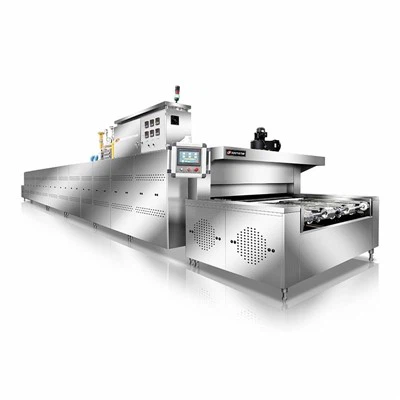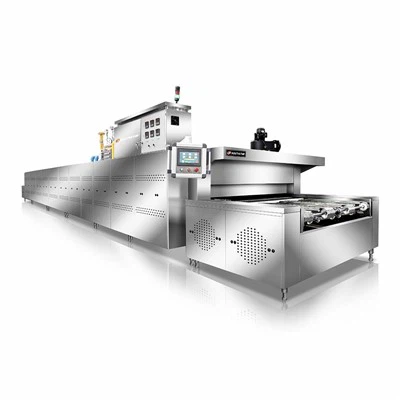


As a supplier of Bread Baking Tunnel Ovens, I've witnessed firsthand the critical role insulation plays in these essential pieces of equipment. In the world of commercial bread baking, a tunnel oven is not just a large chamber for baking bread; it's a sophisticated machine where every component, especially insulation, contributes to the overall efficiency, quality, and safety of the baking process.
Energy Efficiency
One of the primary functions of insulation in a bread baking tunnel oven is to enhance energy efficiency. Baking bread requires a significant amount of heat energy. Without proper insulation, a large portion of this heat would escape from the oven chamber. This not only leads to increased energy consumption but also results in higher operating costs for bakeries.
Insulation materials, such as high - density ceramic fiber or mineral wool, are commonly used in our Bread Baking Tunnel Ovens. These materials have low thermal conductivity, which means they resist the flow of heat. When the oven is heated, the insulation traps the heat inside the chamber, allowing the bread to bake evenly and thoroughly.
For example, in a well - insulated tunnel oven, the heat loss can be reduced by up to 30% compared to an oven with poor insulation. This translates into substantial savings on energy bills for bakeries, especially those that operate their ovens continuously throughout the day. Moreover, energy - efficient ovens are more environmentally friendly, as they consume less fossil fuel or electricity, reducing the bakery's carbon footprint.


Temperature Uniformity
Another crucial role of insulation is to ensure temperature uniformity within the oven chamber. In bread baking, consistent temperature is essential for producing high - quality bread. Uneven temperatures can lead to under - baked or over - baked areas in the bread, affecting its taste, texture, and appearance.
The insulation acts as a barrier that helps to maintain a stable temperature distribution. It prevents hot spots from forming near the heating elements and cold spots from occurring in other parts of the oven. By minimizing temperature fluctuations, the insulation allows the bread to bake evenly from all sides.
Our Tunnel Oven for Bread is designed with advanced insulation technology to achieve excellent temperature uniformity. The insulation materials are carefully selected and installed to create a thermal envelope around the oven chamber. This ensures that the temperature variation across the oven is within a narrow range, typically ±5°C, which is ideal for consistent bread baking.
Productivity and Baking Speed
Insulation also has a direct impact on the productivity and baking speed of the tunnel oven. A well - insulated oven can reach and maintain the desired baking temperature more quickly than an oven with poor insulation. This is because less heat is lost during the heating process, allowing the oven to heat up faster.
Faster heating times mean that bakeries can start the baking process sooner, increasing the overall throughput of the oven. Additionally, the stable temperature maintained by the insulation allows for shorter baking cycles. Since the bread can bake more efficiently at a consistent temperature, the baking time can be reduced without compromising the quality of the bread.
For instance, in our Electric Tunnel Oven, the high - performance insulation enables it to reach the optimal baking temperature in a matter of minutes. This rapid heating and stable temperature environment allow bakeries to produce more bread in less time, meeting the high - demand of the market.
Safety
Safety is a top priority in any bakery, and insulation plays a vital role in ensuring the safety of the tunnel oven operation. The insulation materials used in our ovens are non - combustible and have high heat resistance. They prevent the outer surface of the oven from becoming too hot, reducing the risk of burns to the bakery staff.
In addition, proper insulation helps to contain any potential fire hazards within the oven chamber. If there is a malfunction in the heating elements or an accidental fire starts inside the oven, the insulation acts as a barrier that prevents the fire from spreading to the surrounding area.
Our ovens are designed with multiple layers of insulation, including an outer layer that provides an extra level of protection. This ensures that the surface temperature of the oven remains within a safe range, even during continuous operation at high temperatures.
Durability and Maintenance
Insulation also contributes to the durability and low maintenance requirements of the bread baking tunnel oven. The insulation materials protect the internal components of the oven from extreme temperatures and thermal stress. This reduces the wear and tear on the heating elements, fans, and other parts of the oven, extending their lifespan.
Moreover, a well - insulated oven is less likely to experience problems caused by temperature fluctuations, such as warping or cracking of the oven chamber. This means that bakeries can expect fewer breakdowns and less frequent maintenance, resulting in lower maintenance costs and less downtime.
We recommend regular inspection of the insulation to ensure its integrity. Over time, the insulation may become damaged or compressed, reducing its effectiveness. However, our insulation materials are designed to be long - lasting and easy to replace if necessary.
Conclusion
In conclusion, insulation plays a multifaceted and indispensable role in a bread baking tunnel oven. From enhancing energy efficiency and temperature uniformity to improving productivity, safety, durability, and reducing maintenance requirements, the insulation is a key component that directly impacts the performance and success of a bakery.
As a supplier of high - quality Bread Baking Tunnel Ovens, we are committed to using the latest insulation technology and materials to provide our customers with the best - performing ovens. If you are a bakery owner or manager looking to upgrade your baking equipment or start a new bakery, we invite you to contact us for more information about our tunnel ovens. Our team of experts is ready to assist you in selecting the right oven for your specific needs and to discuss the details of a purchase.
References
- "Commercial Baking Equipment Handbook", Wiley - Blackwell, 2015.
- "Thermal Insulation Materials and Applications", Elsevier, 2018.
- Industry reports on energy efficiency in commercial baking ovens.