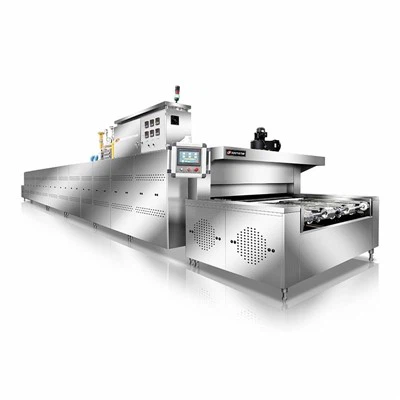


Crepes are a beloved delicacy enjoyed across the globe, known for their thin, delicate texture and versatility in both sweet and savory dishes. The process of making crepes involves a simple batter of flour, eggs, milk, and a touch of salt, but achieving the perfect crepe can sometimes be a challenge. One question that often arises among crepe enthusiasts and professional chefs alike is whether a Mini Proofer can be used for proofing crepe dough. As a supplier of Mini Proofers, I'm here to explore this topic in detail and provide you with the information you need to make an informed decision.


Understanding the Proofing Process
Before we delve into the suitability of a Mini Proofer for crepe dough, it's essential to understand the concept of proofing. Proofing is a crucial step in bread and pastry making that allows the dough to rise and develop flavor. During proofing, yeast or other leavening agents in the dough produce carbon dioxide gas, which causes the dough to expand and become lighter. This process also helps to break down complex carbohydrates into simpler sugars, enhancing the dough's flavor and texture.
In the case of crepes, the batter typically does not contain yeast or require a traditional proofing process. Crepe batter is usually made by whisking together the ingredients until smooth and then allowing it to rest for a short period to let the flour absorb the liquid and the gluten to relax. However, some recipes may call for a brief fermentation period to develop a slight tang and improve the crepe's texture. This is where a Mini Proofer could potentially come in handy.
The Benefits of Using a Mini Proofer for Crepe Dough
A Mini Proofer, such as the one available on our website Mini Proofer, is a compact and efficient device designed to create a controlled environment for proofing dough. It offers several benefits that can be advantageous when working with crepe dough:
- Temperature Control: A Mini Proofer allows you to set and maintain a specific temperature, which is crucial for achieving consistent results. The ideal temperature for proofing crepe dough is around 70-75°F (21-24°C), which is slightly warmer than room temperature. By using a Mini Proofer, you can ensure that the batter ferments at the optimal temperature, resulting in a more flavorful and tender crepe.
- Humidity Regulation: In addition to temperature, humidity also plays a role in the proofing process. A Mini Proofer can help to maintain a consistent level of humidity, preventing the batter from drying out and ensuring that the crepes have a moist and elastic texture.
- Time Savings: Proofing crepe dough at room temperature can take several hours, depending on the recipe and the ambient conditions. By using a Mini Proofer, you can significantly reduce the proofing time, allowing you to make crepes more quickly and efficiently.
- Consistency: A Mini Proofer provides a controlled environment, which means that you can achieve consistent results every time you make crepes. This is especially important for professional chefs or those who make crepes regularly.
How to Use a Mini Proofer for Crepe Dough
Using a Mini Proofer for crepe dough is relatively straightforward. Here's a step-by-step guide on how to do it:
- Prepare the Crepe Batter: Start by preparing your crepe batter according to your favorite recipe. Whisk together the flour, eggs, milk, and any other ingredients until smooth. You can also add a small amount of sugar or honey to the batter to encourage fermentation.
- Transfer the Batter to a Container: Once the batter is ready, transfer it to a clean, airtight container. Make sure the container is large enough to allow the batter to expand during fermentation.
- Place the Container in the Mini Proofer: Open the Mini Proofer and place the container of crepe batter inside. Set the temperature to around 70-75°F (21-24°C) and close the door.
- Let the Batter Ferment: Allow the crepe batter to ferment in the Mini Proofer for the recommended time, usually 1-2 hours. Check the batter periodically to see if it has doubled in volume and developed a slight tang.
- Remove the Batter from the Mini Proofer: Once the batter has finished fermenting, remove it from the Mini Proofer and give it a quick stir to deflate any air bubbles. The batter is now ready to be used to make crepes.
Considerations and Limitations
While a Mini Proofer can be a useful tool for proofing crepe dough, there are a few considerations and limitations to keep in mind:
- Recipe Compatibility: Not all crepe recipes require a fermentation period, so it's important to check your recipe before using a Mini Proofer. Some recipes may call for a simple resting period at room temperature, while others may not require any resting at all.
- Batter Volume: A Mini Proofer is designed for small to medium-sized batches of dough. If you're making a large amount of crepe batter, you may need to use a larger proofing device or divide the batter into smaller containers.
- Cleaning and Maintenance: Like any kitchen appliance, a Mini Proofer requires regular cleaning and maintenance to ensure optimal performance. Make sure to follow the manufacturer's instructions for cleaning and sanitizing the proofer after each use.
Conclusion
In conclusion, a Mini Proofer can be a valuable tool for proofing crepe dough, especially if you're looking to develop a slight tang and improve the texture of your crepes. By providing a controlled environment with precise temperature and humidity control, a Mini Proofer can help you achieve consistent results and save time in the kitchen. However, it's important to note that not all crepe recipes require a fermentation period, so it's essential to check your recipe before using a Mini Proofer.
If you're interested in purchasing a Mini Proofer or learning more about our range of dough proofing equipment, including Commercial Retarder Proofer and Electric Bread Proofer, please feel free to contact us. Our team of experts is always available to answer your questions and help you find the right solution for your needs. We look forward to working with you to take your crepe-making to the next level!
References
- "The Art of Crepe Making." The Gourmet Cookbook.
- "Dough Proofing: A Guide to Achieving Perfect Results." Professional Baker Magazine.