

Can a Mini Proofer be used for proofing pastry dough?
As a supplier of Mini Proofers, I often get asked whether our Mini Proofers can be used for proofing pastry dough. The answer is a resounding yes! In this blog post, I'll delve into the science behind dough proofing, explain why a Mini Proofer is an excellent choice for pastry dough, and provide some practical tips for getting the best results.
The Science of Dough Proofing
Before we discuss the suitability of a Mini Proofer for pastry dough, it's important to understand the process of dough proofing. Proofing is a crucial step in the bread and pastry - making process. It allows the yeast in the dough to ferment, producing carbon dioxide gas. This gas gets trapped in the dough's gluten network, causing the dough to rise and develop a light, airy texture.
The ideal conditions for proofing depend on the type of dough. For pastry dough, which is often more delicate than bread dough, a controlled environment with the right temperature and humidity is essential. Temperature affects the rate of yeast fermentation. Too low a temperature, and the yeast will be sluggish, resulting in a slow rise. Too high a temperature, and the yeast may die off, or the dough may develop an uneven texture. Humidity is also important as it prevents the dough from drying out during the proofing process.
Why a Mini Proofer is Suitable for Pastry Dough
1. Precise Temperature and Humidity Control
Our Mini Proofers are designed to provide precise control over temperature and humidity. This is crucial for pastry dough, which requires a more delicate touch compared to bread dough. The ability to set the temperature and humidity to the exact requirements of the pastry dough ensures that the yeast ferments at an optimal rate, resulting in a well - risen and evenly textured pastry.

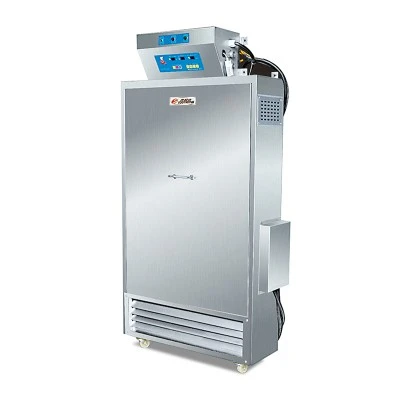
For example, some pastry doughs, like croissant dough, need a relatively low temperature (around 60 - 65°F or 15 - 18°C) during the proofing process to maintain the layers of butter and prevent them from melting. Our Mini Proofer can easily maintain this low temperature, allowing the dough to rise slowly and develop those characteristic flaky layers.
2. Compact Size
The compact size of our Mini Proofer makes it an ideal choice for small bakeries, home bakers, or those with limited space. You don't need a large industrial - sized proofer to proof pastry dough. The Mini Proofer can fit on a countertop or in a small storage area, yet it still provides all the functionality needed for successful dough proofing.
3. Cost - Effective
Compared to larger industrial proofers, our Mini Proofers are much more cost - effective. For small - scale pastry production, investing in a large proofer may not be financially viable. The Mini Proofer offers a budget - friendly alternative without compromising on quality. It allows you to achieve professional - grade results without breaking the bank.
Practical Tips for Using a Mini Proofer with Pastry Dough
1. Prepare the Dough Properly
Before placing the pastry dough in the Mini Proofer, make sure it is properly kneaded and shaped. For example, if you're making pie dough, roll it out to the desired thickness and place it in the pie dish. If it's a filled pastry, like a turnover, fill it and seal the edges. This ensures that the dough will rise evenly during the proofing process.
2. Use the Right Containers
Choose containers that are suitable for the size and shape of your pastry dough. You can use baking pans, trays, or even specialized pastry molds. Make sure the containers are clean and lightly greased to prevent the dough from sticking.
3. Monitor the Proofing Process
Keep an eye on the dough as it proofs. The proofing time can vary depending on the type of pastry dough, the temperature, and the humidity. As a general rule, most pastry doughs will double in size during proofing. Once the dough has reached the desired volume, it's ready to be baked.
Comparison with Other Proofing Options
Industrial Bread Proofer Room
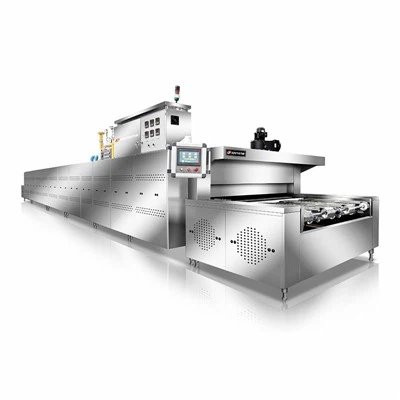
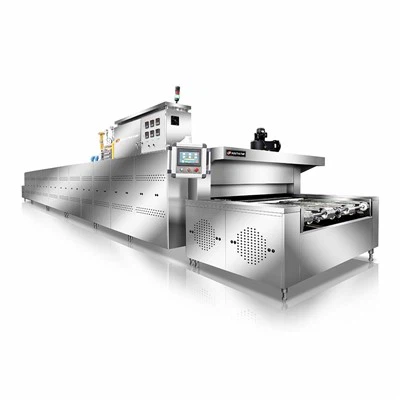
An Industrial Bread Proofer Room is designed for large - scale bread production. While it can also be used for pastry dough, it may be overkill for small - scale operations. Industrial proofer rooms are large, expensive, and require a significant amount of space. They are also more difficult to control for the delicate requirements of pastry dough. In contrast, our Mini Proofer offers a more targeted solution for pastry dough proofing.
Main Frame Of Fermenting Room
The Main Frame Of Fermenting Room is another option for dough proofing. However, it is typically part of a larger industrial setup. It may not be as flexible or easy to use as a Mini Proofer. The Mini Proofer allows you to have more control over the proofing process, especially when dealing with different types of pastry dough.
15 Trays Single Door Proofer
The 15 Trays Single Door Proofer is a larger proofer that can handle more dough at once. While it can be used for pastry dough, it may be too large for small - scale bakers. The Mini Proofer, on the other hand, is perfect for those who only need to proof a small amount of pastry dough at a time.
Conclusion
In conclusion, a Mini Proofer is an excellent choice for proofing pastry dough. Its precise temperature and humidity control, compact size, and cost - effectiveness make it a practical option for both home bakers and small - scale commercial bakeries. By following the practical tips provided, you can achieve professional - grade results with your pastry dough.
If you're interested in purchasing a Mini Proofer for your pastry dough proofing needs, we'd love to hear from you. Contact us to discuss your requirements and start a purchase negotiation. We're confident that our Mini Proofer will meet your expectations and help you create delicious pastries.
References
- "The Science of Baking" by Peter Reinhart
- "Professional Baking" by Wayne Gisslen