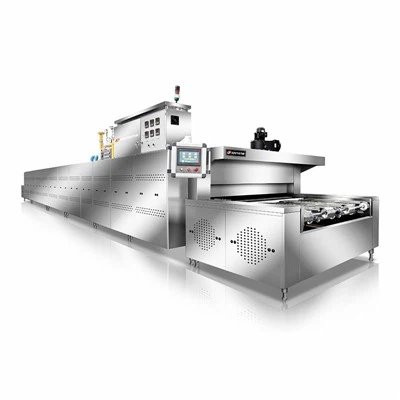


Hey there! I'm a supplier of Small Tunnel Ovens, and today I wanna chat about a common question I get a lot: Can a small tunnel oven be connected to a conveyor belt?
First off, let's talk a bit about what a small tunnel oven is. A Small Tunnel Oven is a compact version of the larger industrial tunnel ovens. It's great for small - scale bakeries, cafes, or food production units that don't have a huge amount of space or a high - volume production requirement. These ovens are designed to bake, roast, or heat food products as they pass through a tunnel - like chamber.
Now, onto the big question: Can it be connected to a conveyor belt? The short answer is yes, it can! There are several reasons why you might want to connect a small tunnel oven to a conveyor belt.
Benefits of Connecting a Small Tunnel Oven to a Conveyor Belt
1. Increased Efficiency
One of the main advantages is the boost in efficiency. When you connect a conveyor belt to your small tunnel oven, you can create a continuous production line. Instead of manually loading and unloading each item into the oven, the conveyor belt does the job for you. This means you can bake more products in less time. For example, if you're making small pastries, the conveyor belt can carry them into the oven at a steady pace, and as soon as one batch comes out, the next one is already on its way in.


2. Consistent Baking
A conveyor belt ensures that each product spends the same amount of time in the oven. This leads to more consistent baking results. Every item gets the same level of heat exposure, which is crucial for maintaining the quality of your baked goods. Whether it's bread, cookies, or pizzas, you can be sure that each one will come out perfectly cooked.
3. Labor Savings
By automating the loading and unloading process, you can save on labor costs. You don't need as many workers to monitor the oven and handle the products. This is especially beneficial for small businesses that are looking to cut down on expenses without sacrificing quality.
How to Connect a Small Tunnel Oven to a Conveyor Belt
1. Compatibility
The first step is to make sure that your small tunnel oven and the conveyor belt are compatible. You need to consider factors such as the width of the conveyor belt, the height of the oven entrance, and the speed at which the conveyor belt can operate. Most modern small tunnel ovens are designed to be easily integrated with conveyor belts, but it's still important to double - check.
2. Installation
Once you've confirmed compatibility, the next step is installation. It's usually a good idea to have a professional do the installation to ensure that everything is set up correctly. The conveyor belt needs to be aligned properly with the oven entrance and exit, and the speed of the conveyor belt needs to be calibrated to match the baking time required by your products.
3. Testing
After installation, you need to test the system. Start by running the conveyor belt without any products to make sure it's moving smoothly. Then, gradually introduce some test products into the system to see how they bake. You may need to make some adjustments to the conveyor belt speed or the oven temperature to get the best results.
Types of Conveyor Belts for Small Tunnel Ovens
1. Mesh Conveyor Belts
Mesh conveyor belts are a popular choice for small tunnel ovens. They allow for good air circulation around the products, which is important for even baking. The open design of the mesh also helps to prevent the products from sticking to the belt. Mesh conveyor belts are suitable for a wide range of products, including bread, pastries, and cookies.
2. Solid Conveyor Belts
Solid conveyor belts are another option. They are more suitable for products that need a flat surface for baking, such as pizzas or large cakes. Solid conveyor belts are also easier to clean, which is an important consideration in a food production environment.
Applications of Small Tunnel Ovens with Conveyor Belts
1. Bread Baking
Bread Baking Tunnel Oven systems with conveyor belts are ideal for small - scale bread production. The conveyor belt can carry the dough through the proofing stage, into the oven, and then out to the cooling area. This creates a seamless production process, allowing you to bake a large quantity of bread in a relatively short period of time.
2. Cookie and Pastry Production
For making cookies and pastries, a small tunnel oven connected to a conveyor belt can be a game - changer. You can set up the conveyor belt to carry the raw dough through the oven at a speed that ensures perfect baking. This is especially useful for businesses that produce a high volume of these types of products.
3. Pizza Baking
Pizza bakeries can also benefit from this setup. The conveyor belt can transport the pizzas into the oven, and since it ensures consistent baking, you can be sure that each pizza will have a perfectly cooked crust and evenly melted cheese.
Considerations When Using a Small Tunnel Oven with a Conveyor Belt
1. Maintenance
Both the small tunnel oven and the conveyor belt require regular maintenance. The oven needs to be cleaned regularly to prevent the build - up of grease and food particles, which can affect the baking quality. The conveyor belt also needs to be inspected for any signs of wear and tear, and the moving parts need to be lubricated as needed.
2. Safety
Safety is always a top priority. Make sure that the conveyor belt has proper guards and safety features to prevent accidents. Workers should also be trained on how to operate the system safely.
3. Energy Consumption
Connecting a conveyor belt to a small tunnel oven can increase energy consumption. However, many modern ovens and conveyor belts are designed to be energy - efficient. You can look for models that have features such as insulation to reduce heat loss and variable speed controls to optimize energy usage.
If you're in the market for a small tunnel oven or are interested in setting up a conveyor - belt system for your bakery or food production business, I'd love to hear from you. Whether you have questions about compatibility, installation, or just want to learn more about our Small Tunnel Oven products, feel free to reach out. We can have a chat and figure out the best solution for your specific needs.
References
- Industry standards for small tunnel oven and conveyor belt integration
- Manufacturer's guidelines for small tunnel ovens and conveyor belts
- Case studies on successful implementation of conveyor - belt systems with small tunnel ovens in the food industry