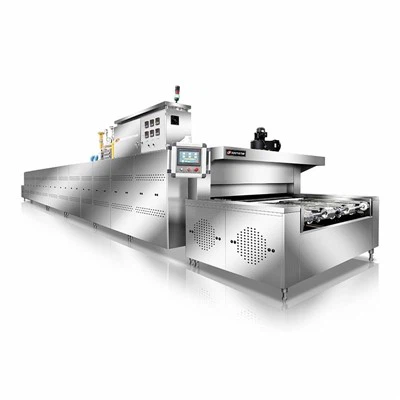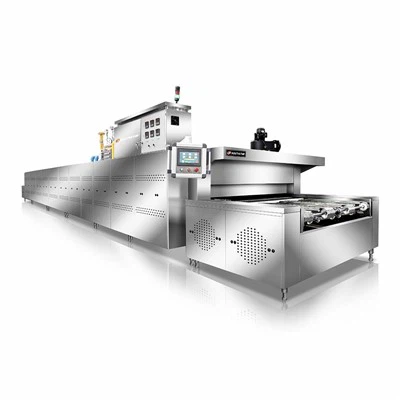


In the dynamic world of commercial baking, gas tunnel ovens stand as a cornerstone of efficiency and quality. As a seasoned supplier of Gas Tunnel Ovens, I've witnessed firsthand the transformative impact these ovens can have on a bakery's operations. One of the most critical yet often overlooked components of a gas tunnel oven is the fan. In this blog, we'll explore the power of the fan in a gas tunnel oven and its far - reaching implications for the baking process.
Understanding the Basics of a Gas Tunnel Oven
Before delving into the role of the fan, it's essential to understand the fundamental workings of a gas tunnel oven. These ovens are designed to provide a continuous baking process, where products move through a tunnel on a conveyor belt. The heat source, typically gas burners, warms the air inside the tunnel, creating an environment conducive to baking.
The gas tunnel oven is a versatile piece of equipment used in various baking applications, from bread and pastries to pizzas and cookies. It offers consistent heat distribution, high production capacity, and energy efficiency, making it a popular choice for large - scale bakeries.
The Role of the Fan in Heat Distribution
The fan in a gas tunnel oven plays a pivotal role in heat distribution. It circulates the hot air generated by the gas burners throughout the oven chamber. This circulation ensures that every part of the oven maintains a uniform temperature, which is crucial for even baking.
Without proper air circulation, there would be significant temperature variations within the oven. Some areas might be too hot, causing the products to burn, while others might be too cool, resulting in under - baked goods. The fan helps to eliminate these hot and cold spots, creating a more consistent baking environment.
For example, in a Bread Baking Tunnel Oven, the fan ensures that the bread dough is evenly exposed to heat. This promotes proper rising, browning, and flavor development. The even heat distribution also helps to prevent the formation of crusty patches on the bread's surface, resulting in a more aesthetically pleasing and delicious end product.
Enhancing Baking Efficiency
The power of the fan also contributes to the overall efficiency of the baking process. By circulating the hot air, the fan speeds up the transfer of heat from the oven walls to the products. This means that the products can be baked in a shorter amount of time, increasing the oven's production capacity.
In a commercial bakery setting, time is money. A gas tunnel oven with a powerful fan can produce more baked goods in a given period, allowing bakeries to meet the high demand of their customers. This increased efficiency can also lead to cost savings, as less energy is required to achieve the same level of baking.
Moreover, the fan helps to reduce the baking time without sacrificing quality. The even heat distribution ensures that the products are baked thoroughly and evenly, resulting in high - quality baked goods that meet the standards of the bakery.
Controlling Humidity
Another important function of the fan in a gas tunnel oven is to control humidity. During the baking process, moisture is released from the products. If this moisture is not properly removed, it can accumulate in the oven, leading to a humid environment.
A humid environment can have a negative impact on the baking process. It can cause the products to become soggy, affect the crust formation, and promote the growth of mold and bacteria. The fan helps to remove the excess moisture from the oven by circulating the air and expelling it through the ventilation system.
By controlling the humidity, the fan ensures that the products have the right texture and flavor. For instance, in the case of pastries, a dry baking environment is essential for achieving a crispy crust. The fan helps to create this ideal environment by removing the moisture from the oven.
Impact on Product Quality
The power of the fan has a direct impact on the quality of the baked products. As mentioned earlier, the even heat distribution and humidity control provided by the fan result in high - quality baked goods.
The fan also affects the appearance of the products. In a gas tunnel oven with a well - functioning fan, the products have a uniform color and texture. There are no unevenly browned areas or burnt spots, making the products more visually appealing.
In addition, the fan can influence the flavor of the baked goods. The proper circulation of hot air helps to develop the flavors of the ingredients, resulting in a more delicious and aromatic end product. For example, in a pizza baked in a gas tunnel oven, the fan ensures that the cheese melts evenly and the crust has a crispy texture, enhancing the overall taste of the pizza.


Different Types of Fans in Gas Tunnel Ovens
There are different types of fans used in gas tunnel ovens, each with its own characteristics and advantages. The most common types include axial fans and centrifugal fans.
Axial fans are designed to move air in a straight line, parallel to the axis of the fan. They are typically used in smaller gas tunnel ovens or in ovens where a high volume of air needs to be moved at a relatively low pressure. Axial fans are known for their energy efficiency and quiet operation.
Centrifugal fans, on the other hand, move air perpendicular to the axis of the fan. They are capable of generating a higher pressure, which makes them suitable for larger gas tunnel ovens or ovens with complex air circulation requirements. Centrifugal fans can provide a more powerful and focused air flow, ensuring that the hot air is evenly distributed throughout the oven.
The choice of fan depends on the specific requirements of the gas tunnel oven and the baking application. A professional gas tunnel oven supplier can help bakeries select the right type of fan based on their needs.
Fan Maintenance and Troubleshooting
To ensure the optimal performance of the fan in a gas tunnel oven, regular maintenance is essential. The fan should be cleaned regularly to remove any dust, debris, or grease that may accumulate on its blades. This can help to prevent the fan from losing its efficiency and ensure that it continues to circulate the air effectively.
In addition, the fan's motor should be inspected periodically to check for any signs of wear or damage. If the motor is not functioning properly, it can affect the performance of the fan and the overall operation of the oven.
If there are any issues with the fan, such as unusual noises or a decrease in air flow, it's important to troubleshoot the problem promptly. A professional technician can diagnose the issue and make the necessary repairs or replacements.
Considerations When Choosing a Gas Tunnel Oven with a Powerful Fan
When choosing a gas tunnel oven, it's important to consider the power and performance of the fan. A powerful fan is essential for achieving even heat distribution, high - quality baking, and efficient operation.
Some factors to consider include the fan's air flow rate, pressure, and noise level. The air flow rate indicates how much air the fan can move in a given period, while the pressure determines the strength of the air flow. A fan with a high air flow rate and pressure can ensure that the hot air is circulated effectively throughout the oven.
The noise level of the fan is also an important consideration, especially in a commercial bakery setting. A noisy fan can be a distraction for the bakery staff and may even violate local noise regulations. Look for a gas tunnel oven with a fan that operates quietly without compromising on performance.
Conclusion
The power of the fan in a gas tunnel oven is undeniable. It plays a crucial role in heat distribution, enhancing baking efficiency, controlling humidity, and improving product quality. As a supplier of Gas Tunnel Ovens, I understand the importance of a well - functioning fan in achieving optimal baking results.
Whether you're a small bakery looking for a Small Tunnel Oven or a large - scale commercial bakery in need of a high - capacity bread baking tunnel oven, choosing an oven with a powerful fan is essential. It can make a significant difference in the quality and quantity of your baked products, as well as the overall efficiency of your bakery operations.
If you're interested in learning more about our gas tunnel ovens or have any questions about the role of the fan, please don't hesitate to contact us. We're here to help you find the perfect gas tunnel oven for your bakery and ensure that you achieve the best possible baking results.
References
- "Commercial Baking Equipment Handbook"
- "Principles of Baking Technology"