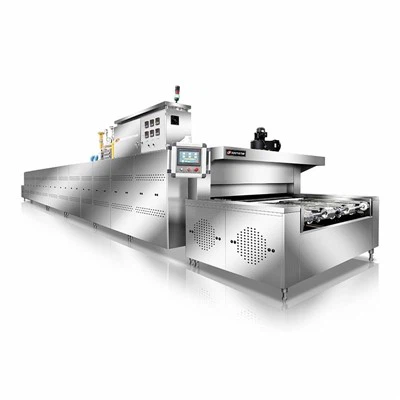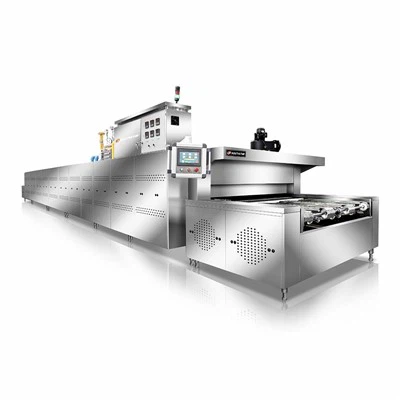


Hey there! As a supplier of tunnel ovens, I've had my fair share of experiences when it comes to transporting these big pieces of equipment. Tunnel ovens are essential in many food production industries, from baking bread to cooking snacks. But moving them from our factory to your place isn't as simple as just loading them onto a truck. In this blog, I'm gonna share some tips on how to transport a tunnel oven safely and efficiently.
Pre - transport Preparation
First things first, you gotta do a thorough inspection of the tunnel oven. Check for any loose parts, damages, or signs of wear and tear. If there are any issues, fix them before you even think about moving the oven. This will prevent further damage during transportation and ensure that the oven is in top - notch condition when it arrives at its destination.
Next, you need to disassemble the oven if possible. Most tunnel ovens can be broken down into smaller components, which makes them easier to handle and transport. Make sure to label all the parts clearly so that it's easy to put them back together later. You can use a permanent marker or sticky labels to mark each part with a unique identifier.
Once you've disassembled the oven, you'll need to pack the parts properly. Use high - quality packing materials such as bubble wrap, foam, and cardboard boxes. Wrap each part individually to protect it from scratches and impacts. For larger components, you might want to use custom - made wooden crates. These crates provide extra protection and can be secured tightly to prevent movement during transit.


Choosing the Right Transport Method
There are a few different ways to transport a tunnel oven, and the method you choose will depend on several factors, such as the size and weight of the oven, the distance it needs to travel, and your budget.
If you're transporting the oven locally, a flatbed truck might be a good option. Flatbed trucks are versatile and can carry large and heavy loads. Make sure the truck has a secure tie - down system to keep the oven parts in place during the journey. You can use straps or chains to secure the crates and components to the truck bed.
For longer distances or international shipments, you might consider using a freight forwarder. Freight forwarders have experience in handling large and complex shipments. They can arrange for the transportation of your tunnel oven by truck, train, or even ship, depending on the destination. They'll also take care of all the necessary paperwork, such as customs clearance if you're shipping overseas.
Loading and Unloading
Loading the tunnel oven parts onto the transport vehicle is a critical step. You need to make sure that the parts are loaded in a way that distributes the weight evenly. Uneven weight distribution can cause the vehicle to become unstable during transit, which is extremely dangerous.
Use a forklift or a crane to load the heavy parts onto the truck or container. Make sure the operators are trained and experienced in handling large and heavy equipment. When loading the parts, stack them in a way that maximizes space while still allowing for easy access during unloading.
Unloading at the destination is just as important as loading. Again, use proper equipment and trained personnel. Carefully remove each part from the vehicle and place it in a designated area. Make sure to follow the same order as the disassembly process to make the reassembly easier.
Insurance
It's always a good idea to get insurance for your tunnel oven during transportation. Accidents can happen, and having insurance will give you peace of mind. Most freight forwarders can arrange for cargo insurance, which will cover the value of the oven in case of damage or loss during transit. Make sure to read the insurance policy carefully and understand what is and isn't covered.
Reassembly
Once the tunnel oven parts have arrived at their destination, it's time to put them back together. This is where the clear labeling comes in handy. Follow the disassembly instructions in reverse order to reassemble the oven. If you're not confident in your ability to reassemble the oven, you can hire a professional technician. They have the expertise and tools to ensure that the oven is assembled correctly and safely.
Different Types of Tunnel Ovens
We offer a variety of tunnel ovens to meet different customer needs. For those looking for a more energy - efficient option, our Gas Tunnel Oven is a great choice. It uses gas as a fuel source, which can be more cost - effective in the long run.
If you have limited space in your bakery or food production facility, our Small Tunnel Oven might be the perfect fit. It's compact but still packs a punch when it comes to baking performance.
And for all you bread lovers out there, our Bread Baking Tunnel Oven is designed specifically for baking delicious, freshly - baked bread. It has precise temperature and humidity controls to ensure that your bread comes out perfect every time.
Conclusion
Transporting a tunnel oven is a complex process, but with the right preparation and planning, it can be done smoothly. From pre - transport inspection and disassembly to choosing the right transport method and reassembly, every step is crucial.
If you're in the market for a tunnel oven or need advice on transporting one, don't hesitate to reach out. We're here to help you make the best decision for your business. Whether you're a small bakery or a large - scale food production company, we have the expertise and the products to meet your needs. Let's start a conversation and see how we can work together to get your tunnel oven up and running in your facility.
References
- General knowledge from years of experience in the tunnel oven supply industry.
- Industry best practices for transporting large industrial equipment.