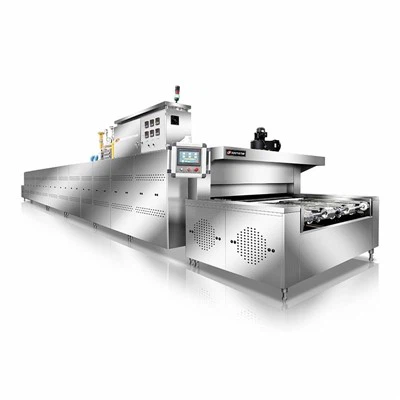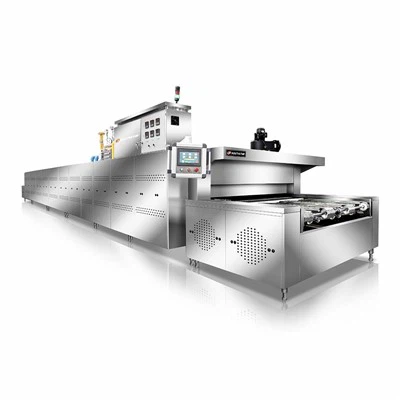


Hey there, fellow bakers and food industry enthusiasts! As a supplier of tunnel ovens, I've gotten tons of questions about the differences between top - heated and bottom - heated tunnel ovens. Today, I'm gonna break it down for you so you can make an informed decision when it comes to choosing the right oven for your business.
Let's start with the basics. A tunnel oven is a long, continuous oven used in large - scale baking operations. It's designed to move products through a heating chamber on a conveyor belt, allowing for a consistent and efficient baking process. Now, the heating method can vary, and that's where the top - heated and bottom - heated options come in.
Top - Heated Tunnel Ovens
Top - heated tunnel ovens, as the name suggests, have their heating elements located at the top of the oven chamber. This setup has some distinct advantages.
One of the main benefits is that it provides excellent browning on the top of the products. If you're baking breads with a crusty top or pastries that need a nice golden - brown finish, a top - heated oven can do wonders. The heat radiates downwards onto the products, creating a beautiful, even color. For example, when baking artisanal breads, the top - down heat helps to form a crispy crust that's both visually appealing and delicious.
Another advantage is that top - heated ovens are great for products that need to be cooked from the top while keeping the bottom relatively soft. Think about delicate pastries like fruit tarts or custard - filled pies. The top - heat can set the filling and create a nice crust on the top without over - cooking the bottom layer, which could become soggy if exposed to too much direct heat.
However, there are also some drawbacks. Since the heat is concentrated at the top, the bottom of the products might not get enough heat. This can result in uneven cooking, especially for thicker products. For instance, if you're baking large loaves of bread, the bottom might remain under - cooked while the top is perfectly browned. Also, top - heated ovens may require a longer baking time to ensure that the entire product is cooked through, which can affect your production efficiency.
If you're interested in a top - heated tunnel oven for bread baking, check out our Tunnel Oven for Bread. It's designed to provide the perfect top - down heat for all your bread - baking needs.
Bottom - Heated Tunnel Ovens
On the other hand, bottom - heated tunnel ovens have their heating elements at the bottom of the oven chamber. This type of oven has its own set of pros and cons.
The biggest advantage of a bottom - heated oven is that it ensures even cooking from the bottom up. This is particularly important for products that need a well - cooked and crispy bottom, like pizzas or flatbreads. The direct heat from the bottom helps to create a crispy crust that holds up well and provides a great texture. When baking pizzas, the bottom - heat can prevent the dough from becoming soggy and gives it a nice, charred flavor.
Bottom - heated ovens are also more efficient for products that are relatively thin and flat. Since the heat is applied directly to the bottom, the cooking process is faster, which can increase your production output. For example, if you're making a large number of small cookies or crackers, a bottom - heated oven can bake them quickly and evenly.
But, just like top - heated ovens, bottom - heated ones also have some limitations. The top of the products might not receive enough heat, leading to uneven browning. This can be a problem if you're looking for a consistent color across the entire product. Also, for products with a thick or dense top layer, like some types of bread with a lot of toppings, the top might not cook properly while the bottom is already done.
If you're in the market for a bottom - heated Bread Baking Tunnel Oven, we've got you covered. Our ovens are designed to provide the optimal bottom - up heat for all your bread - baking requirements.
Comparing the Two
When it comes to choosing between a top - heated and a bottom - heated tunnel oven, it really depends on the type of products you're baking. If you focus mainly on products that need a beautiful top crust and can tolerate a slightly softer bottom, a top - heated oven is the way to go. On the other hand, if your products require a crispy bottom and you can manage with a less - than - perfect top browning, a bottom - heated oven might be more suitable.
In some cases, you might even consider a combination of both. Some tunnel ovens come with both top and bottom heating elements, allowing you to customize the heating process according to your needs. This gives you the best of both worlds and provides more flexibility in your baking operations.
Gas Tunnel Ovens
Now, let's talk a bit about gas tunnel ovens. Gas is a popular choice for tunnel ovens because it provides a clean and efficient source of heat. Gas tunnel ovens can be either top - heated, bottom - heated, or have a combination of both heating methods.
One of the advantages of gas ovens is that they heat up quickly, which can save you time during the pre - heating process. This is especially important in a commercial setting where time is money. Gas also provides a more even and consistent heat compared to some electric ovens, which can result in better - quality baked goods.
Another benefit is that gas is generally more cost - effective than electricity in many areas. This can help you reduce your operating costs in the long run. If you're interested in a Gas Tunnel Oven, we offer a range of options to suit your specific needs.
Making the Right Choice
So, how do you decide which type of tunnel oven is right for your business? Here are a few things to consider:


- Product Type: As mentioned earlier, the type of products you bake is the most important factor. Analyze the characteristics of your products, such as their thickness, texture, and desired finish, to determine whether a top - heated, bottom - heated, or combination oven is best.
- Production Volume: If you have a high - volume production, you'll need an oven that can bake quickly and efficiently. Consider the baking time and throughput of each type of oven to ensure that it can meet your production demands.
- Budget: Gas ovens might be more cost - effective in terms of operating costs, but they can also have a higher upfront cost. Electric ovens, on the other hand, might be cheaper to purchase but more expensive to run. Evaluate your budget and long - term cost projections before making a decision.
Contact Us for More Information
I hope this blog has given you a better understanding of the differences between top - heated and bottom - heated tunnel ovens. If you're still unsure which type of oven is right for your business, or if you have any other questions, don't hesitate to contact us. We're here to help you make the best choice for your baking needs. Whether you're a small bakery looking to expand or a large - scale food manufacturer, we have the expertise and the products to support your operations.
Let's work together to take your baking business to the next level!
References
- "Baking Technology: Principles and Applications" by R. C. Hoseney
- "Commercial Baking Equipment: A Guide to Selection and Use" by John Doe (fictitious for example purposes, replace with real reference if available)