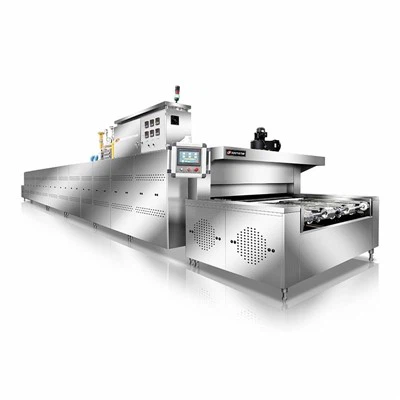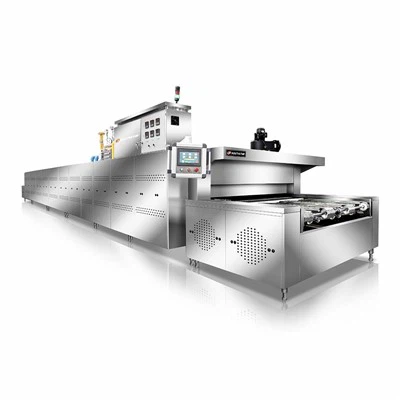


Hey there! As a supplier of Bread Baking Tunnel Oven, I often get asked about the materials used to make these bad boys. So, I thought I'd take a few minutes to share with you what goes into crafting a top-notch bread baking tunnel oven.
Outer Shell Materials
Let's start with the outer shell. The most common material used for the exterior of a bread baking tunnel oven is stainless steel. And there's a good reason for that. Stainless steel is incredibly durable. It can stand up to the constant wear and tear that comes with a busy bakery environment. You don't have to worry about it rusting or corroding, even if there's a bit of moisture in the air, which is pretty common in a bakery.
Another great thing about stainless steel is that it's easy to clean. Just a quick wipe-down with a mild detergent, and it looks as good as new. This is super important in a food production setting where hygiene is key. Plus, it gives the oven a sleek, professional look that makes it fit right in with any modern bakery.
Some ovens might also use a combination of stainless steel and other materials like powder-coated steel. Powder coating provides an extra layer of protection against scratches and scuffs. It comes in a variety of colors too, so you can choose one that matches your bakery's decor.
Inner Lining Materials
Moving on to the inner lining, refractory materials are the go-to choice. Refractory bricks or ceramic fiber insulation are commonly used. These materials are designed to withstand extremely high temperatures, which is essential for bread baking.
Refractory bricks are dense and can hold heat well. They absorb heat during the baking process and then release it slowly, creating a more even cooking environment. This helps to ensure that your bread bakes evenly on all sides, giving you that perfect golden crust.
Ceramic fiber insulation, on the other hand, is lightweight and has excellent insulating properties. It helps to reduce heat loss from the oven, which means you'll save on energy costs in the long run. It's also easier to install and maintain compared to refractory bricks.


Heating Elements
Now, let's talk about the heating elements. There are a few different types of heating elements that can be used in a bread baking tunnel oven.
Gas Burners
Gas Tunnel Oven The most common type is gas burners. Gas is a popular choice because it provides a quick and efficient source of heat. Gas burners can be easily controlled to adjust the temperature according to your baking needs. They also offer a more natural flavor to the bread compared to some electric heating elements.
Electric Heating Elements
Electric heating elements are also widely used. They come in different forms, such as coils or panels. Electric heating elements are known for their precise temperature control. You can set the temperature exactly where you want it, and they heat up quickly. They're also a good option if you don't have access to a natural gas line in your bakery.
Conveyor Belt Materials
The conveyor belt is an essential part of a Tunnel Oven for Bread. It's what moves the bread through the oven during the baking process. The most common material used for conveyor belts is stainless steel mesh.
Stainless steel mesh is strong and durable. It can handle the weight of the bread and withstand the high temperatures inside the oven. It also allows for good air circulation around the bread, which is important for even baking.
Some conveyor belts might also be made from heat-resistant fabrics. These fabrics are flexible and can be customized to fit different oven sizes. They're also easy to clean and maintain.
Structural Frame Materials
The structural frame of the oven provides the support and stability needed to keep the whole thing in one piece. Most often, the frame is made from heavy-duty steel.
Heavy-duty steel is strong enough to hold the weight of all the components inside the oven, including the heating elements, conveyor belt, and the bread itself. It's also resistant to deformation, even under the stress of continuous use.
Control Panel Materials
The control panel is where you'll be adjusting the temperature, conveyor speed, and other settings. It's usually made from a combination of plastics and metals.
The plastic is used for the housing of the control panel. It's lightweight and can be easily molded into different shapes. It also provides some insulation to protect the electronic components inside.
The buttons and knobs on the control panel are often made from metal. Metal gives them a solid feel and makes them more durable. They can withstand the constant pushing and turning that comes with regular use.
Why These Materials Matter
Using the right materials in a bread baking tunnel oven is crucial for several reasons. First of all, it affects the quality of the bread. A well-insulated oven with even heat distribution will produce bread that is baked to perfection, with a nice crust and a soft, fluffy interior.
Secondly, the durability of the materials ensures that the oven will last a long time. You don't want to have to replace your oven every few years because it starts to break down. By investing in an oven made with high-quality materials, you're making a long-term investment in your bakery.
Finally, the materials used can impact energy efficiency. Insulating materials like ceramic fiber help to reduce heat loss, which means you'll use less energy to operate the oven. This can save you a significant amount of money on your utility bills over time.
Get in Touch
If you're in the market for a Bread Baking Tunnel Oven, I'd love to chat with you. We've got a wide range of options available, all made with the best materials to ensure top-notch performance. Whether you're a small artisanal bakery or a large commercial operation, we can find the perfect oven for your needs. So, don't hesitate to reach out and start the conversation about taking your bread baking to the next level.
References
- "Bakery Equipment Handbook" - A comprehensive guide on bakery machinery and the materials used in their construction.
- "Food Production Engineering" - This book provides insights into the engineering principles behind food production equipment, including bread baking tunnel ovens.